
Two Very Different Products
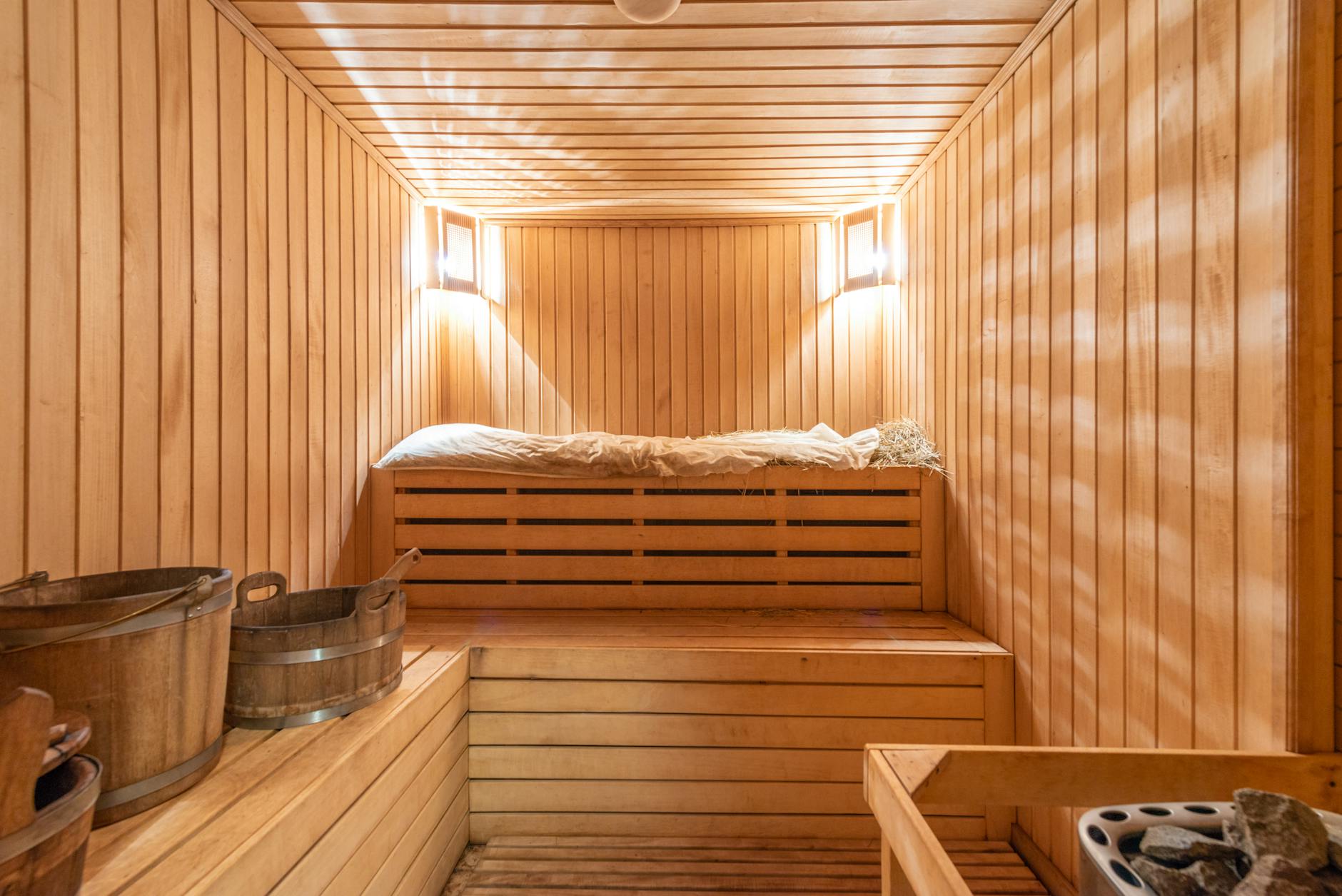
Walk the line between a custom-built sauna and a mass-produced imported cabinet and you will find they share a name but almost nothing else. One is engineered around your space, your climate and your life. The other is engineered around a container shipment. Neither is automatically wrong — but understanding the difference properly will save you money, frustration, and possibly a mouldy wall.
What "Imported" Usually Means
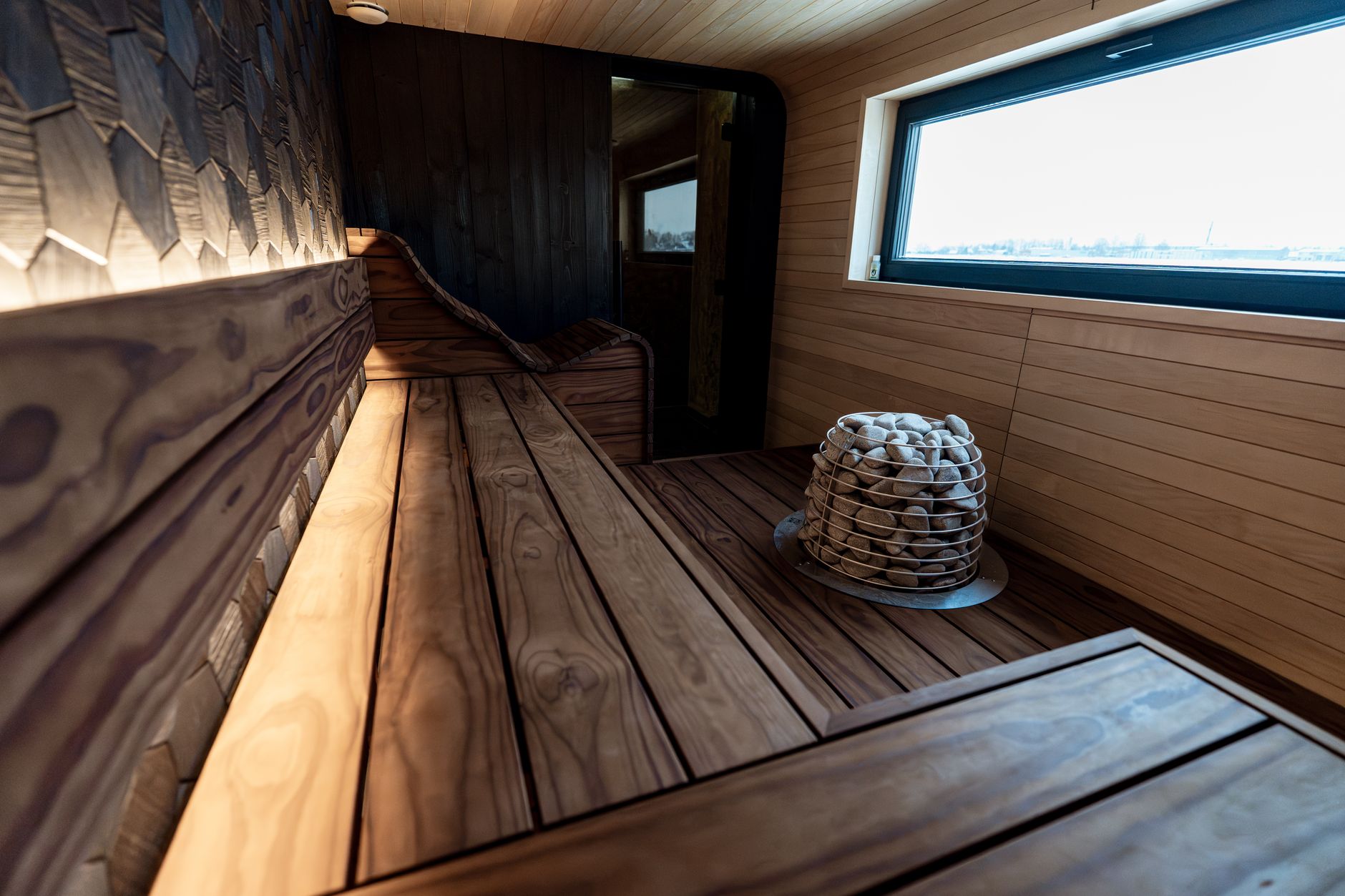
The majority of flat-pack saunas flooding the Thai market originate from Chinese factories producing at volume for export. They arrive in a crate with pre-cut panels, generic hardware, and instructions translated at varying levels of accuracy. A few things to know about these units:
Fixed dimensions. You fit your life around the sauna, not the other way around. If your space is an irregular shape, a balcony, or an existing room with columns, you are immediately compromising.
Thin wall stacks. Many imported cabinets use 38 mm or less of insulation — adequate in a cold Nordic climate, but in Thailand's heat and humidity the heater works harder, energy bills rise, and condensation has more opportunity to build up inside the wall.
Commodity timber. The wood species vary and are rarely disclosed clearly. Moisture content at the factory versus moisture content once it sits in Thai humidity are two very different numbers.
No local warranty support. When something fails — a heater control board, a hinge, a cracked bench — you are typically chasing a reseller or an overseas support line.
What Custom-Built Means at Sisu Sauna
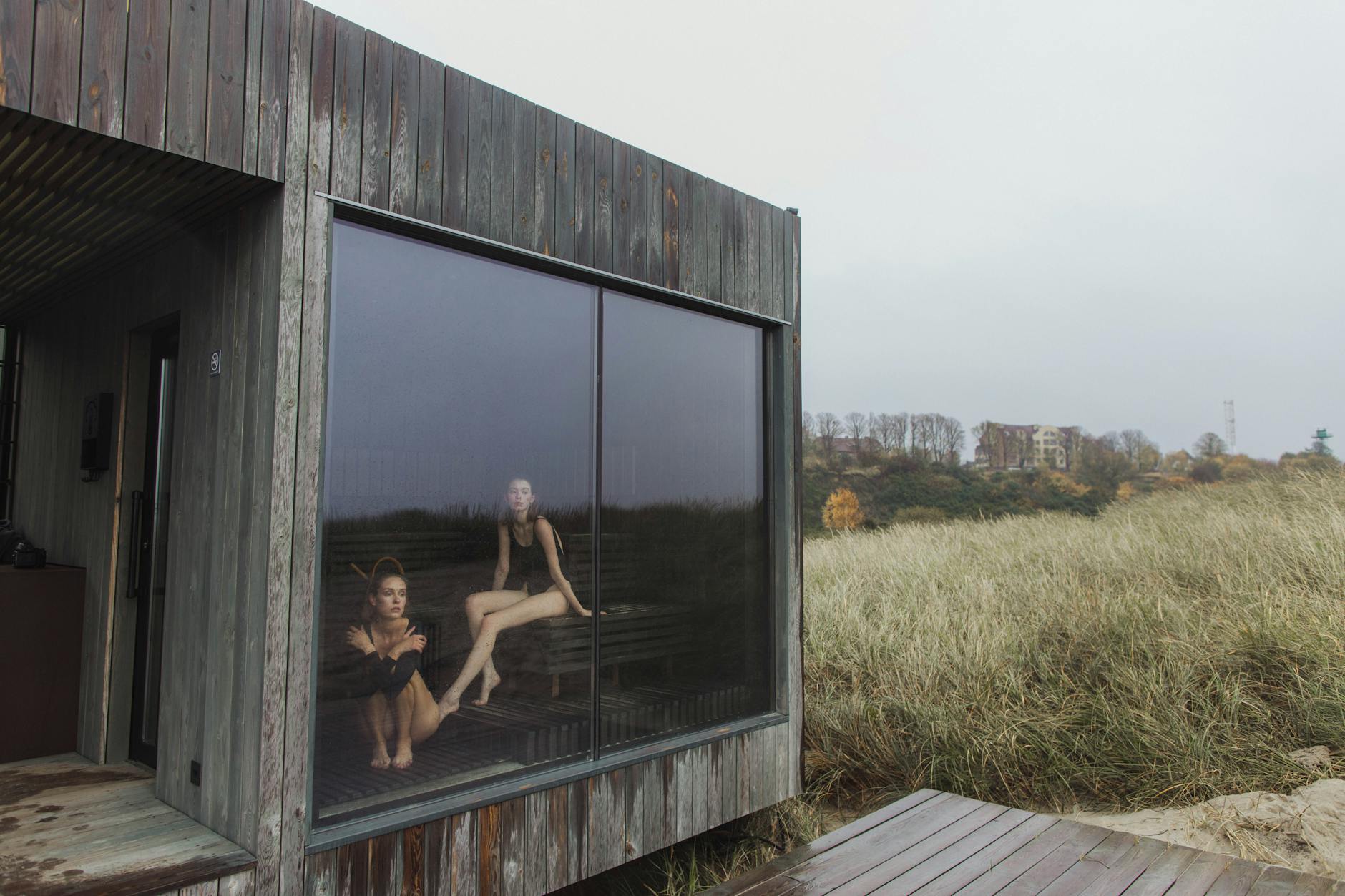
Every sauna we make starts from scratch. You open our 3D designer, set the dimensions to match your actual space, pick your wood, choose your heater, and watch the price update in real time. Nothing ships until it is built specifically for your order.
Wall Construction
Our standard wall stack is: 12 mm interior cladding → 13 mm plywood → 50 mm rockwool insulation → 13 mm plywood → 12 mm exterior cladding. That is a meaningfully heavier build than most imported alternatives, which matters in a tropical climate where moisture management is the single biggest factor in a sauna's lifespan.
Wood Choice That Matches Your Use
We build in three woods — Thai domestic teak, Canadian red cedar, and Russian pine — and we are direct with you about which works where. For an outdoor sauna, teak is our strong recommendation: its natural oils handle Thai rain and sun with just one or two applications of teak oil per year. Red cedar needs oiling three to six times a year outdoors. Pine used outside must be charred (yakisugi / shou sugi ban) so that the surface is sealed against moisture and insects. An imported sauna rarely gives you this level of material guidance, let alone the choice.
Installation and Ongoing Support
Within Thailand, we deliver and install — heater wired, first heat-up with you on site. For international orders we supply an interactive installation manual generated for your exact sauna, not a generic booklet. We are available for remote support throughout your build and beyond.
Lead Time: The Honest Comparison
Custom saunas at Sisu take 35–50 days from confirmed order and deposit. An imported unit can arrive faster — sometimes in two weeks if it is in a local warehouse. If speed is your only criterion, imported wins on that point alone. But if you are making a long-term investment in a structure attached to your home, five extra weeks is a reasonable trade for something built to last in your specific location.
Price
Imported flat-packs can appear cheaper at headline price. Factor in: a Thai electrician to wire a heater that may not meet local specs, modifications to make it fit your space, potential re-oiling or remediation work within the first rainy season, and limited recourse if something is wrong. A custom-built sauna by us carries a 5-year structural warranty and 12-month warranty on electrical parts — and the team that built it is reachable by LINE or WhatsApp, typically within an hour.
The Bottom Line
If you need a sauna in two weeks and the dimensions happen to match a stock unit, an imported cabinet can do a job. But if you want a sauna that fits your space precisely, is built for Thailand's climate with the right insulation and timber, and comes with real local support, a custom build is the better investment — and probably not as much more expensive as you might assume.
Open the Sisu 3D designer and see what your sauna costs with your dimensions, your wood, and your heater. No commitment, price updates live as you design.