


Designed and built in Thailand.
Onsens & Plunge Pools
Any size, any style.
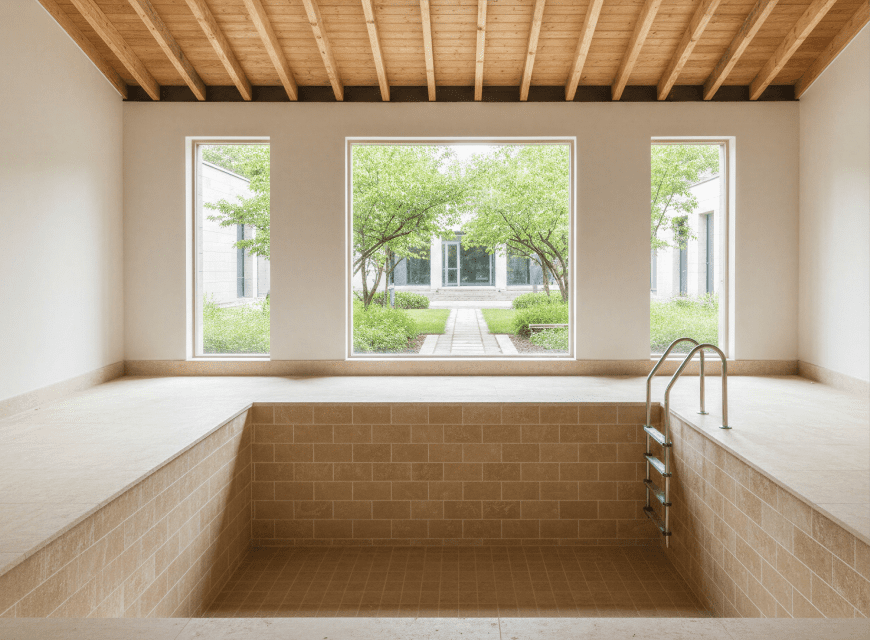
Onsens & Plunge Pools in Thailand
Hot Soaks. Cold Plunges. The Heart of Any Wellness Space.
From traditional Japanese-inspired hot soaking tubs to ice-cold plunge pools — we design and build immersive bathing experiences for homes, spas and resorts across Thailand.
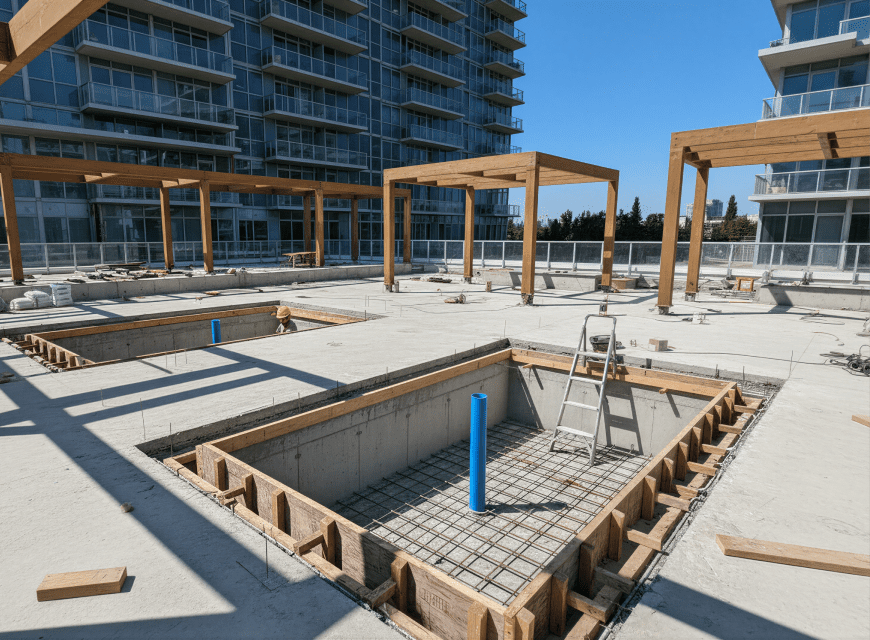
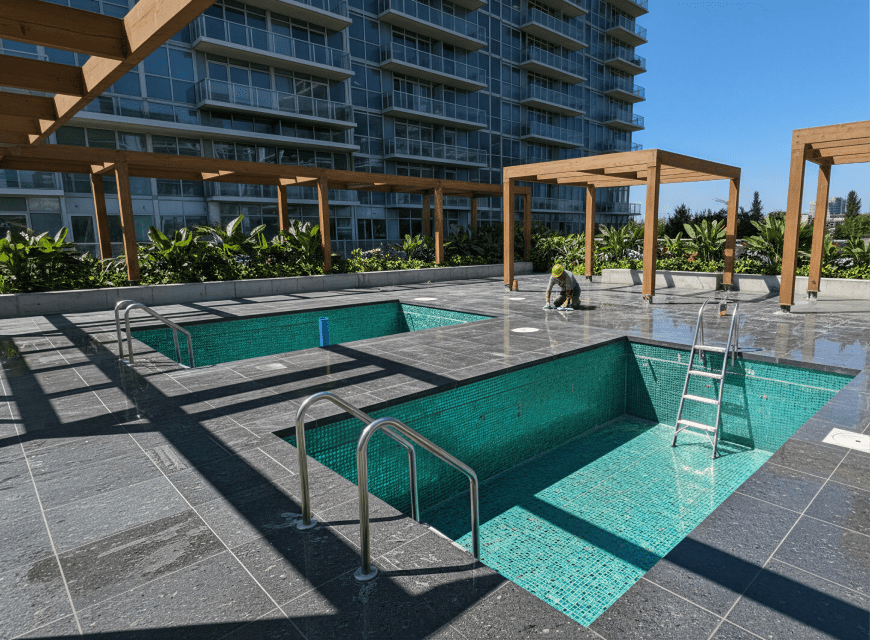
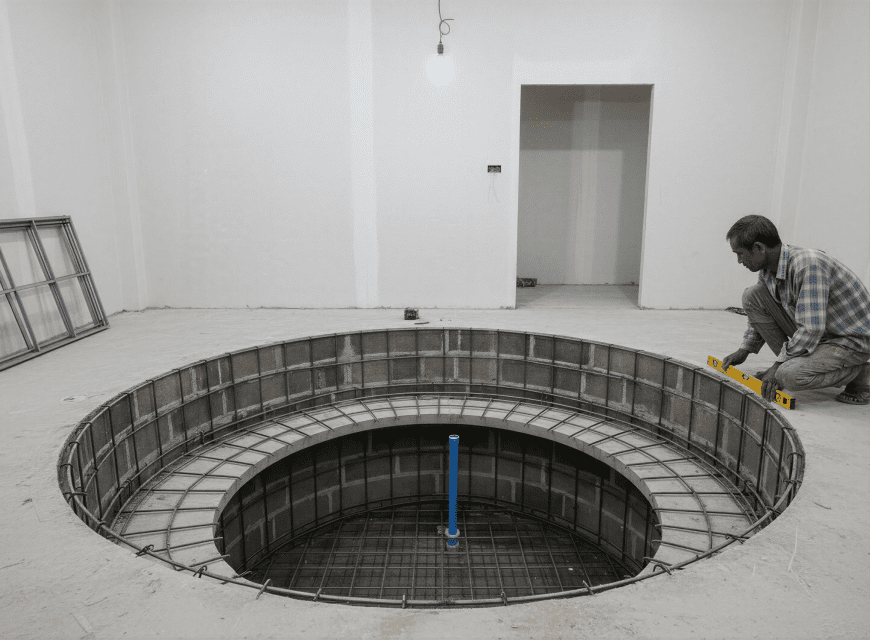
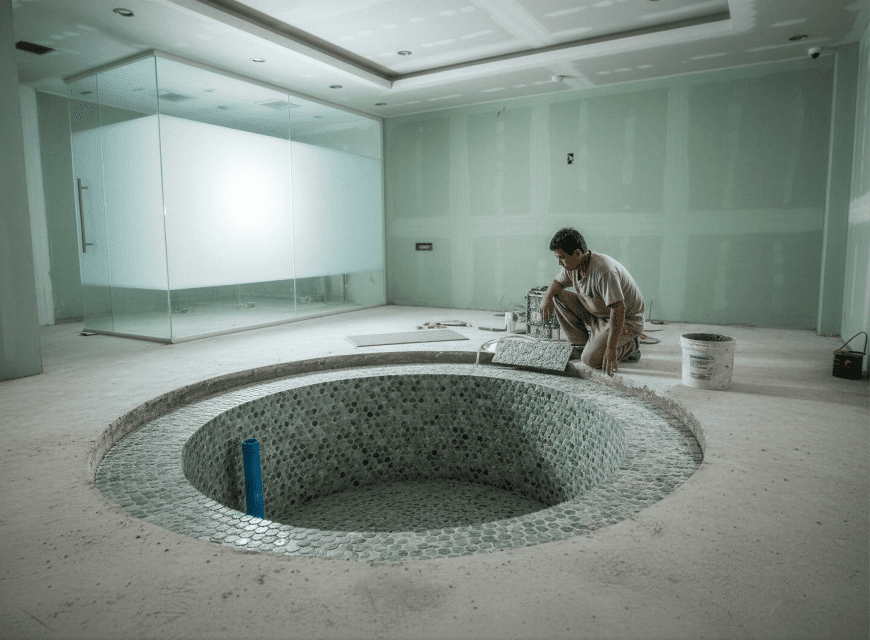
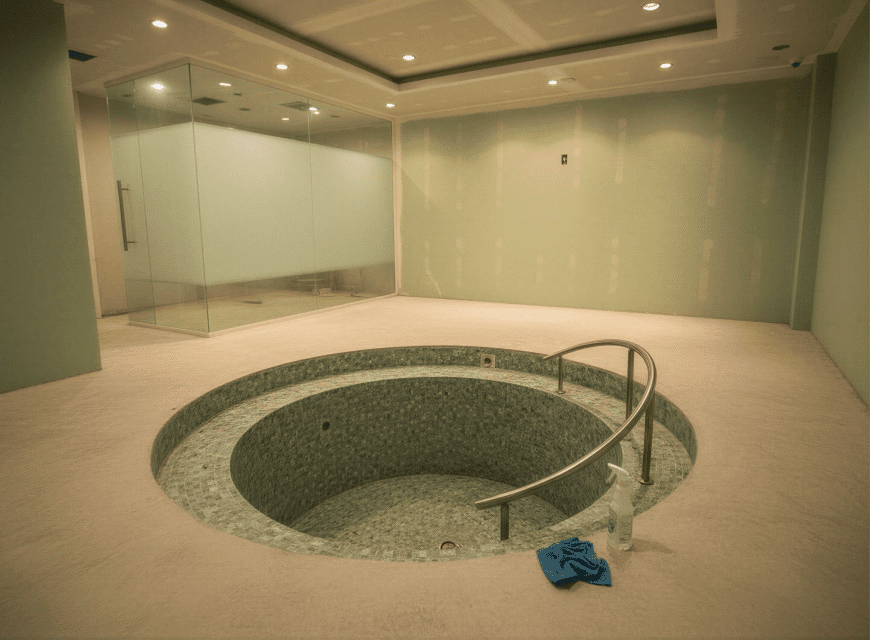
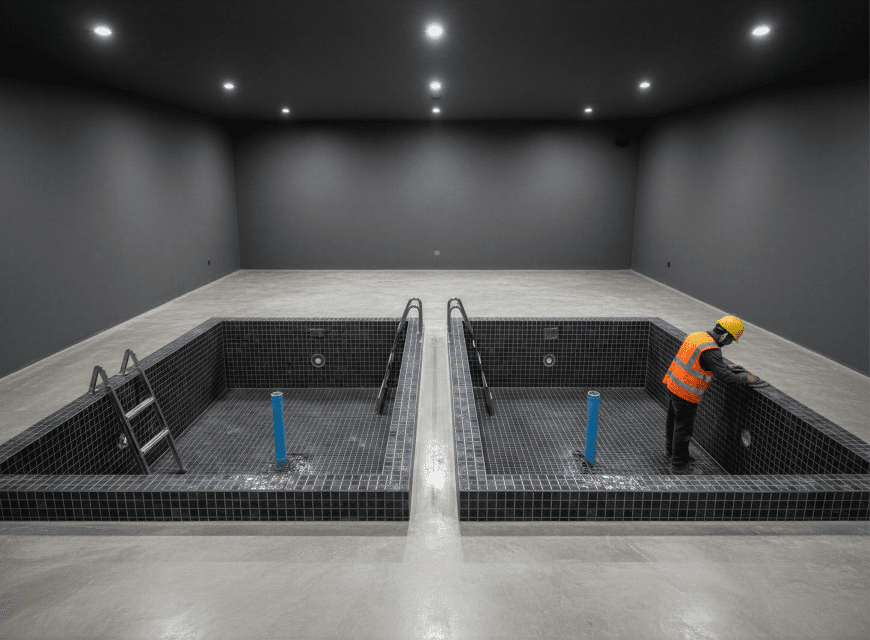
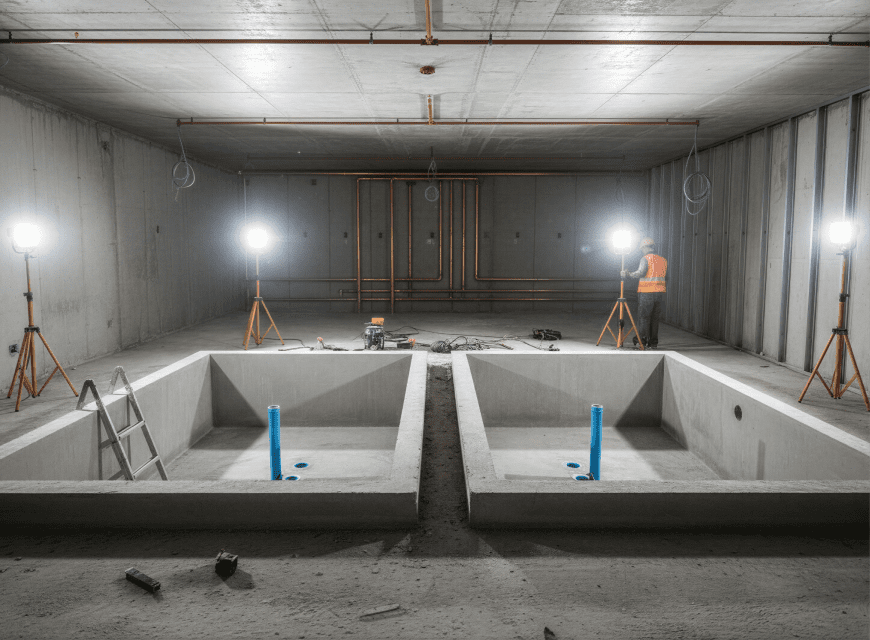


The practice of soaking in hot water and plunging into cold is thousands of years old. From Japanese onsens and Scandinavian ice lakes to Roman bathhouses and Korean jjimjilbangs, cultures around the world have understood that moving between hot and cold water is one of the most effective ways to restore the body and calm the mind.
At Sisu, we build both sides of this equation. Hot soaking pools — onsens — and cold plunge pools, designed to work independently or as part of a complete hot-cold wellness circuit alongside saunas, steam rooms and ice showers.
An onsen is a heated soaking pool maintained at 38 to 42 degrees Celsius, designed for relaxation and therapeutic benefit. The warm water eases muscle tension, promotes circulation, relieves joint stiffness and creates a meditative calm that is difficult to achieve any other way. Add mineral salts, aromatherapy or hydrotherapy jets and the experience becomes genuinely restorative.
A cold plunge pool is the counterpoint. Maintained at 5 to 15 degrees Celsius using an inverter chiller, the plunge pool delivers the sharp, invigorating shock of cold immersion that activates the body’s natural recovery systems. Cold water exposure reduces inflammation, boosts circulation, stimulates endorphin release and trains the nervous system to handle stress more effectively.
Together, they form the core of contrast therapy — alternating between hot and cold to amplify the benefits of each. This is not a wellness trend. It is a practice backed by centuries of tradition and an increasingly robust body of modern research.
We design and build onsens and plunge pools for private homes, boutique resorts, fitness facilities, wellness centres and commercial spas. Every installation is engineered for Thailand’s tropical climate, using materials and systems that perform reliably in heat and humidity year-round.
Key Features
Custom Design for Every Space
Whether you want a timber-framed outdoor onsen surrounded by tropical plants, a sleek tiled indoor plunge pool or a multi-pool contrast therapy circuit for a commercial spa, every installation is designed specifically for your space, your climate and your intended use.
Hot Soaking Pools (Onsens)
Heated soaking pools are maintained at 38 to 42 degrees Celsius. Constructed from tiled concrete, timber-lined concrete or premium composite materials. Heated using energy-efficient heat pumps, electric heaters or inline heating systems. Capacity from 2 to 12+ people, depending on design.
Cold Plunge Pools
Chilled immersion pools are maintained at 5 to 15 degrees Celsius. Cooled using inverter-driven chillers for precise temperature control, quiet operation and energy efficiency. Insulated construction to minimise energy loss in Thailand’s tropical climate. Available in tiled concrete, stainless steel or timber-lined configurations.
Contrast Therapy Circuits
Hot and cold pools are designed as a pair, positioned adjacent to each other for easy transition between temperatures. Add a sauna, steam room or ice shower, and you have a complete multi-stage wellness circuit. We design the layout, flow and timing to create a natural rhythm that guides users through the experience.
Hydrotherapy Options
Air jets, water jets and bubble systems can be integrated into both hot and cold pools. Gentle jet massage in a warm onsen enhances muscle relaxation. Turbulence in a cold plunge adds intensity and helps distribute cold water evenly around the body.
Overflow and Infinity Edge Designs
Overflow pools create a constant flow of water over the edge, producing a soothing visual and auditory effect. The water is collected in a balance tank, filtered and returned. Particularly effective for elevated installations with views.
Timber, Tile or Stainless Steel
Choose the material that suits your aesthetic and performance requirements. Tiled concrete is the most versatile and durable. Timber-lined pools (using heat-treated or marine-grade timber) create a natural, spa-like atmosphere. Stainless steel is hygienic, long-lasting and increasingly popular for commercial cold plunge installations.
Filtration and Sanitation
All pools include properly sized filtration and sanitation systems. Options include saltwater chlorination, ozone, UV-C treatment and mineral systems. For commercial installations with high bather loads, we specify systems that maintain water quality under continuous use.
Smart Temperature Control
Digital controllers maintain precise water temperatures with minimal energy waste. WiFi-enabled systems allow remote monitoring, scheduling and temperature adjustment. Particularly useful for commercial operators who need pools ready at specific times.
Dimensions & Technical Specifications
Hot Soaking Pool (Onsen) Sizing
- For 2 to 4 people: Minimum 2.0m x 1.5m. Depth 0.8m to 1.0m (seated soaking depth).
- For 4 to 6 people: Minimum 2.5m x 2.0m. Depth 0.8m to 1.0m.
- For 6 to 10 people: Minimum 3.0m x 2.5m. Depth 0.8m to 1.0m.
- For 10+ people (commercial): Custom design. Depth 0.8m to 1.2m.
Operating Temperature: 38 to 42 degrees Celsius (adjustable).
Water Volume (typical 4-person): Approximately 2,500 to 3,500 litres.
Cold Plunge Pool Sizing
- For 1 to 2 people: Minimum 1.5m x 1.0m. Depth 0.9m to 1.2m (standing or seated).
- For 2 to 4 people: Minimum 2.0m x 1.5m. Depth 1.0m to 1.2m.
- For 4 to 6 people (commercial): Minimum 2.5m x 2.0m. Depth 1.0m to 1.2m.
- For 6+ people: Custom design.
Operating Temperature: 5 to 15 degrees Celsius (adjustable).
Water Volume (typical 2-person): Approximately 1,500 to 2,000 litres.
Heating Systems (Onsens)
Heat Pump: Most energy-efficient option. Recommended for pools above 3,000 litres. COP of 4 to 6 means 1kW of electricity produces 4 to 6kW of heat. Quiet inverter models available.
Electric Heater: Simple and reliable. Best for smaller pools under 3,000 litres. Higher running cost than a heat pump, but lower upfront cost.
Inline Heater: Integrated into the circulation system. Compact and suitable for retrofit installations.
Cooling Systems (Plunge Pools)
Inverter Chiller: Variable-speed compressor adjusts output based on cooling demand. Quieter, more efficient and longer-lasting than fixed-speed units. R290 or R32 refrigerant.
Chiller Sizing: Based on pool volume, target temperature, ambient conditions and insulation level. In Thailand, ambient temperatures of 30 to 38 degrees mean the chiller works harder than in temperate climates — proper sizing is critical.
- 1/2 HP chiller: Suitable for pools up to 500 litres. Single-person tubs only.
- 1 HP chiller: Suitable for pools up to 1,500 litres. Compact 1 to 2 person plunge pools.
- 1.5 HP chiller: Suitable for pools up to 3,000 litres. Standard residential plunge pool for 2 to 3 people.
- 2 HP chiller: Suitable for pools up to 5,000 litres. Larger residential or light commercial use.
- 3 HP chiller: Suitable for pools up to 8,000 litres. Commercial plunge pools with moderate traffic.
- 4 HP chiller: Suitable for pools up to 12,000 litres. High-traffic commercial and multi-user wellness facilities.
- 5 HP chiller: Suitable for pools up to 20,000 litres. Large commercial installations, resort spas and multi-pool circuits.
Construction Materials
Concrete: Steel-reinforced waterproof concrete. The most durable and versatile option. Can be finished with tiles, natural stone, plaster or paint.
Stainless Steel: 304 or 316 grade. Hygienic, long-lasting and low maintenance. Popular for cold plunge pools in commercial settings. Can be fabricated to custom dimensions.
Timber-Lined: Heat-treated pine, cedar or marine-grade hardwood lining over a waterproof concrete or fibreglass shell. Creates a natural, Nordic-inspired aesthetic. Requires periodic timber maintenance.
Electircial
Hot Soaking Pools
Heat pumps require a dedicated electrical circuit — typically single-phase 220V for units up to 10kW, three-phase 380V for larger commercial systems. Electric inline heaters also require dedicated circuits matched to their wattage.
Cold Plunge Pools
Inverter chillers typically require a single-phase 220V supply on a dedicated circuit with ELCB / RCD protection. Larger commercial chillers may require three-phase 380V.
General
All electrical installations for pools and soaking tubs are completed to international safety standards with ELCB / RCD protection, proper earthing and bonding of all metal components near water.
Underwater lighting (if specified) uses 12V safety-rated transformers. Control panels are mounted in dry, accessible locations.
Circulation pumps run on dedicated circuits. Variable-speed pumps are recommended for improved energy efficiency and reduced noise.
Warranty
Pool Structure
5-year warranty on the concrete or stainless steel pool structure covering cracking, leaking and structural failure under normal use.
Heating and Cooling Equipment
Heat pumps and chillers carry 2-year manufacturer warranties covering defects in materials and workmanship. Extended warranty options are available.
Waterproofing
5-year warranty on waterproofing membrane integrity, provided the pool is maintained according to our care guidelines and water chemistry is kept within recommended ranges.
Tiling and Finishes
2-year warranty on tile adhesion and grout integrity under normal operating conditions.
Workmanship
2-year warranty on all plumbing, electrical and installation workmanship.
What Is Not Covered
Damage caused by improper water chemistry or neglected maintenance. Limescale buildup from untreated water. Physical impact damage. Modifications by third parties. Timber weathering and patina (this is a natural process, not a defect). Equipment damage from power surges without surge protection.
Construction
Consultation
We discuss your vision — hot pool, cold pool, or both. How many people? Indoor or outdoor. Integration with sauna, steam room or ice shower. Material preferences and budget.
Site Assessment
We inspect the proposed location to assess ground conditions, structural capacity (for elevated or rooftop installations), drainage, electrical supply, water supply and access.
Design
Full design package including plan drawings, 3D renders (for complex projects), equipment specifications, material selections and a detailed quotation.
Construction Timeline
- Compact plunge pool (single, under 3,000 litres): 3 to 5 weeks.
- Single onsen or plunge pool (3,000 to 6,000 litres): 4 to 7 weeks.
- Paired hot-cold installation: 6 to 10 weeks.
- Commercial multi-pool wellness circuit: 8 to 16 weeks (depending on scope).
Timelines depend on site conditions, design complexity and equipment lead times.
Construction Stages
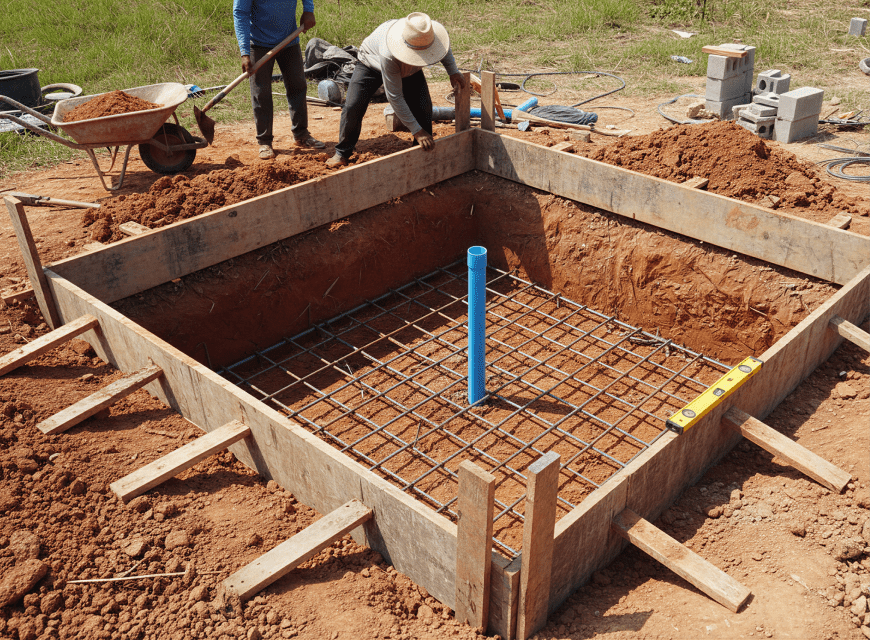
1. Excavation or structural preparation
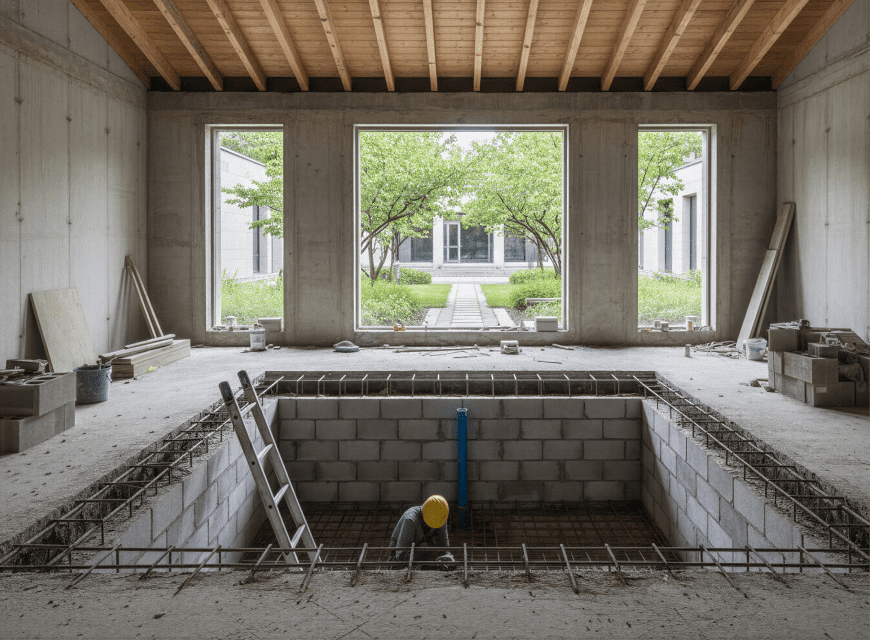
2. Steel reinforcement and formwork (concrete pools) or fabrication (stainless steel)
3. Concrete pour and curing / stainless steel installation
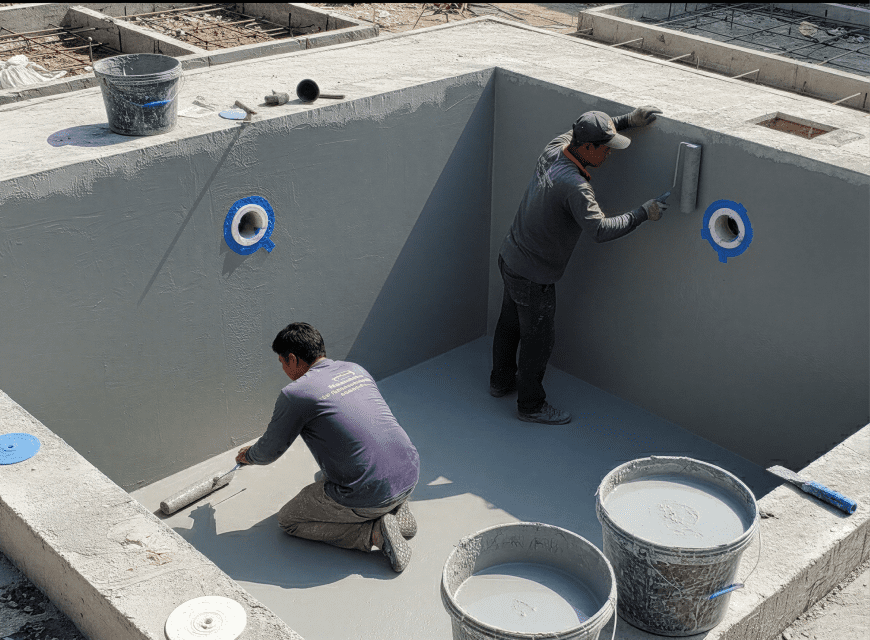
4. Waterproofing
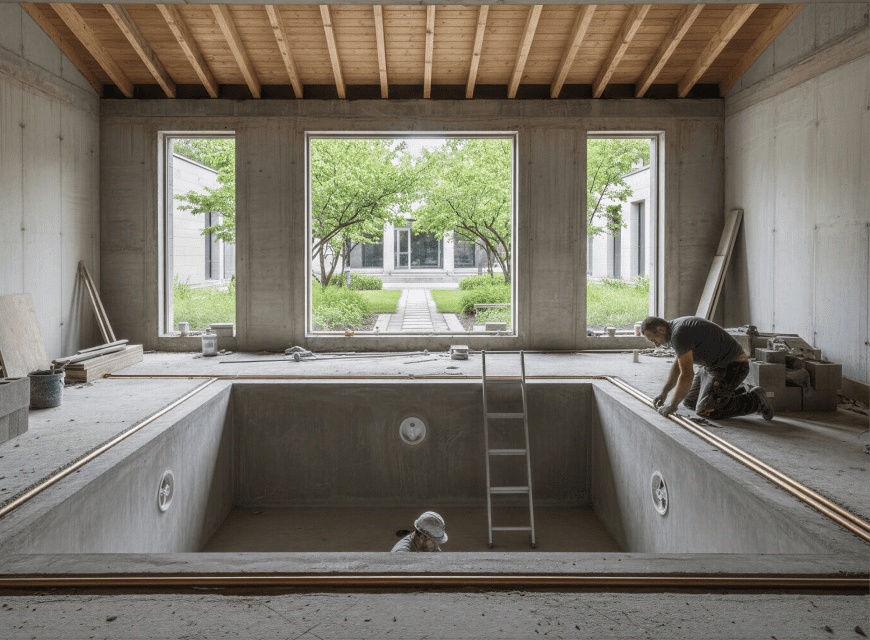
5. Plumbing — circulation, heating/cooling connections, overflow, drainage
6. Electrical — pump, heater/chiller, lighting, controls
7. Insulation
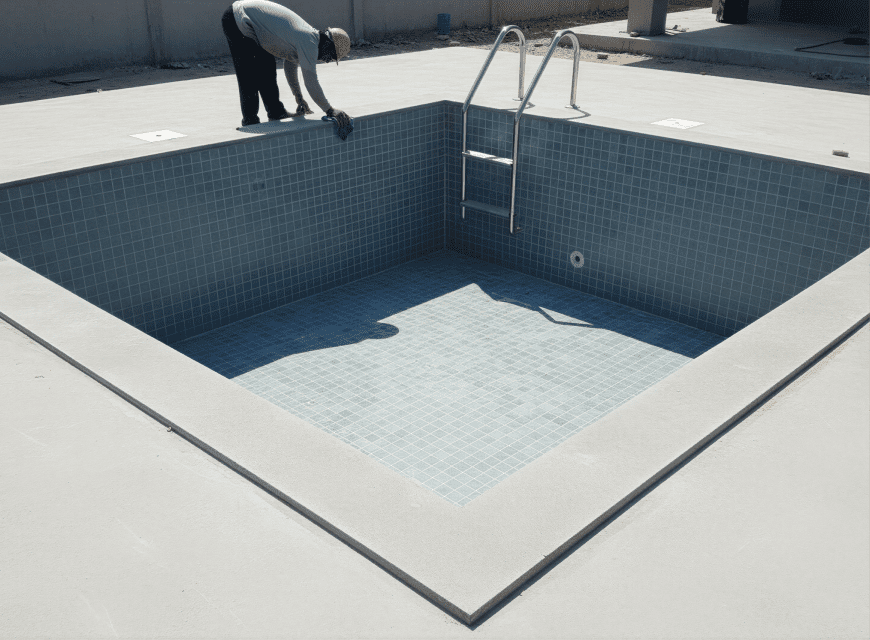
8. Tiling or timber lining and finishing
9. Equipment installation — heater, chiller, controller, filtration
10. Filling, temperature calibration and commissioning
11. Handover, training and documentation
Service Areas
We build across Thailand. Primary service areas include the Eastern Seaboard, Isan, Bangkok and surrounding provinces. Contact us to discuss your project location.
Care & Maintenance
Hot Soaking Pools (Onsens)
Water Chemistry: Test water at least twice per week. Maintain sanitiser levels within the recommended range for your system (saltwater, bromine, ozone, etc.). pH should be between 7.2 and 7.6. Higher water temperatures accelerate chemical consumption — check and adjust more frequently than you would for a swimming pool.
Filtration: Run the circulation pump for at least 2 full water turnovers per day. For a 3,000-litre pool with a properly sized pump, this may require 4 to 6 hours of daily runtime. Clean filter media regularly.
Draining: Hot-soaking pools with high bather loads (commercial use) should be partially or fully drained and refilled periodically, depending on usage. Residential pools with lower use can go longer between water changes.
Cleaning: Wipe waterline and seating surfaces weekly. Clean the floor drain. Inspect jet nozzles for blockages if hydrotherapy jets are fitted.
Cold Plunge Pools
Water Chemistry: Cold water inhibits bacterial growth somewhat, but sanitation is still essential. Maintain appropriate sanitiser levels and test water at least twice per week.
Filtration: Run filtration for at least 2 full turnovers per day. Cold water is denser and harder to circulate — ensure the pump is appropriately sized.
Chiller Maintenance: Keep the chiller condenser (outdoor unit) free of debris, dust and obstructions. Inspect monthly. Professional servicing annually.
Insulation: Check that insulation around the pool and pipework remains intact and undamaged — any gaps significantly increase energy costs in Thailand’s heat.
General
An annual professional inspection of all equipment, waterproofing, and electrical connections is recommended. We offer maintenance packages for both residential and commercial installations.
Frequently Asked Questions
Q: What is an onsen?
A: An onsen is a traditional Japanese hot soaking pool, typically maintained at 38 to 42 degrees Celsius. Traditionally fed by natural hot springs, modern onsens use heat pumps or electric heaters to maintain temperature. The experience focuses on quiet immersion and relaxation rather than swimming. We build onsen-style hot pools for private homes, resorts and wellness centres.
Q: What temperature should a cold plunge pool be?
A: Most cold plunge protocols recommend 5 to 15 degrees Celsius. Beginners often start at 12 to 15 degrees and gradually reduce the temperature as they build tolerance. For experienced cold water practitioners and athletic recovery, 5 to 8 degrees is common. Our inverter chillers allow you to set and maintain any temperature within this range precisely.
Q: How long should I stay in a cold plunge pool?
A: For most people, 1 to 3 minutes is sufficient to trigger the physiological benefits of cold water immersion — improved circulation, reduced inflammation and endorphin release. Experienced practitioners may stay longer, but there is no need to push beyond their comfort zone. Always listen to your body.
Q: What are the health benefits of contrast therapy?
A: Alternating between hot and cold water has well-documented benefits, including improved blood circulation, reduced muscle soreness and inflammation, enhanced immune response, better sleep quality, reduced stress and anxiety, improved mood and mental clarity, and faster recovery after exercise. The combination of vasodilation (from heat) and vasoconstriction (from cold) creates a “pumping” effect that accelerates the movement of blood, nutrients and waste products through the body.
Q: How much does an onsen or plunge pool cost?
A: Costs vary based on size, materials, heating or cooling equipment and site conditions. A compact cold plunge pool starts from around 150,000 THB. A small onsen for 2 to 4 people starts from around 200,000 THB. Paired hot-cold installations and larger commercial projects are priced based on scope. We provide detailed quotations after the design phase.
Q: Can I install a plunge pool indoors?
A: Yes. Indoor plunge pools require adequate drainage, ventilation and structural support. Cold pools produce less condensation than hot pools, making them slightly easier to install indoors, but proper ventilation is still important. We assess indoor sites to ensure suitability before proceeding.
Q: How much energy does a cold plunge pool use in Thailand?
A: This depends on pool volume, target temperature, insulation quality and ambient conditions. In Thailand’s tropical climate, the chiller works harder than in cooler countries because the temperature differential is greater. A well-insulated plunge pool with an inverter chiller running to maintain 10 degrees typically costs 50 to 150 THB per day in electricity, depending on size and conditions. Proper insulation is the single biggest factor in reducing running costs.
Q: Can I add mineral salts or essential oils to an onsen?
A: Mineral salts such as magnesium sulphate (Epsom salts) or Dead Sea salts can be added to hot soaking pools for additional therapeutic benefit. These are generally compatible with most sanitation systems, but check compatibility first. Essential oils should only be added via a dedicated dosing system — do not pour them directly into the water, as they can damage equipment and filtration media.
Q: What is the difference between a plunge pool and an ice bath?
A: A plunge pool is a permanent, built-in cold water pool with circulation, filtration and chiller systems. An ice bath is typically a portable tub filled with water and ice. Plunge pools offer precise temperature control, better hygiene through continuous filtration and a much more comfortable user experience. They are the professional-grade solution for anyone serious about cold water therapy.
Q: Do you sell standalone ice baths and chillers?
A: Yes. In addition to built-in plunge pools, we sell a range of portable and semi-permanent ice baths with dedicated chiller units. These are ideal for people who want cold therapy without permanent construction. Browse our Ice Baths category for options.
Q: How often does the water need to be changed?
A: With proper filtration and sanitation, plunge pool water can last months between full changes. Hot pool water degrades faster due to higher temperatures and bather load — commercial hot pools may need partial water changes weekly, while residential pools used lightly may go 4 to 8 weeks. Regular water testing guides your change schedule.
Q: Can you build a hot and cold pool side by side?
A: Yes — this is one of our signature offerings. We design paired hot-cold installations where you can step directly from a warm onsen into a cold plunge. The transition between temperatures is where the most powerful therapeutic effects occur. We optimise the layout so the pools share equipment housing, plumbing runs and drainage infrastructure, reducing cost and complexity.
Q: Is cold water immersion safe?
A: For most healthy adults, yes. Cold water immersion causes a temporary increase in heart rate and blood pressure, so people with cardiovascular conditions, uncontrolled hypertension or Raynaud’s disease should consult their doctor first. Pregnant women should also seek medical advice. We recommend starting at warmer temperatures (12 to 15 degrees) and gradually progressing. Never cold plunge alone if you are new to the practice.
Q: Can I combine a plunge pool with my swimming pool?
A: Yes. A small plunge pool can be built adjacent to your main swimming pool, sharing some infrastructure but with its own independent chiller and circulation system. This gives you the best of both worlds — a full-size pool for swimming and a dedicated cold plunge for recovery.
Have a Question?
We're here to answer all of your questions.