
Why the Room Around Your Sauna Matters
Most people think carefully about what happens inside the sauna — the wood, the heater, the stones, the heat. Far fewer think about what happens to the room the sauna sits in. That oversight can be expensive.
Every time you finish a session, a small amount of steam and warm, moist air escapes when you open the sauna door. Over weeks and months, that humidity builds up in the surrounding room. Without adequate ventilation, you can end up with condensation on walls and ceilings, peeling paint, warped skirting boards, and eventually mould — none of which you want in your home.
The Simple Fix: Fresh-Air Exchange
The goal is straightforward: replace the warm, moisture-laden air in the sauna room with drier, fresh air as quickly as practical after each session. There are a few reliable ways to do this.
Open a Window — But Do It Right
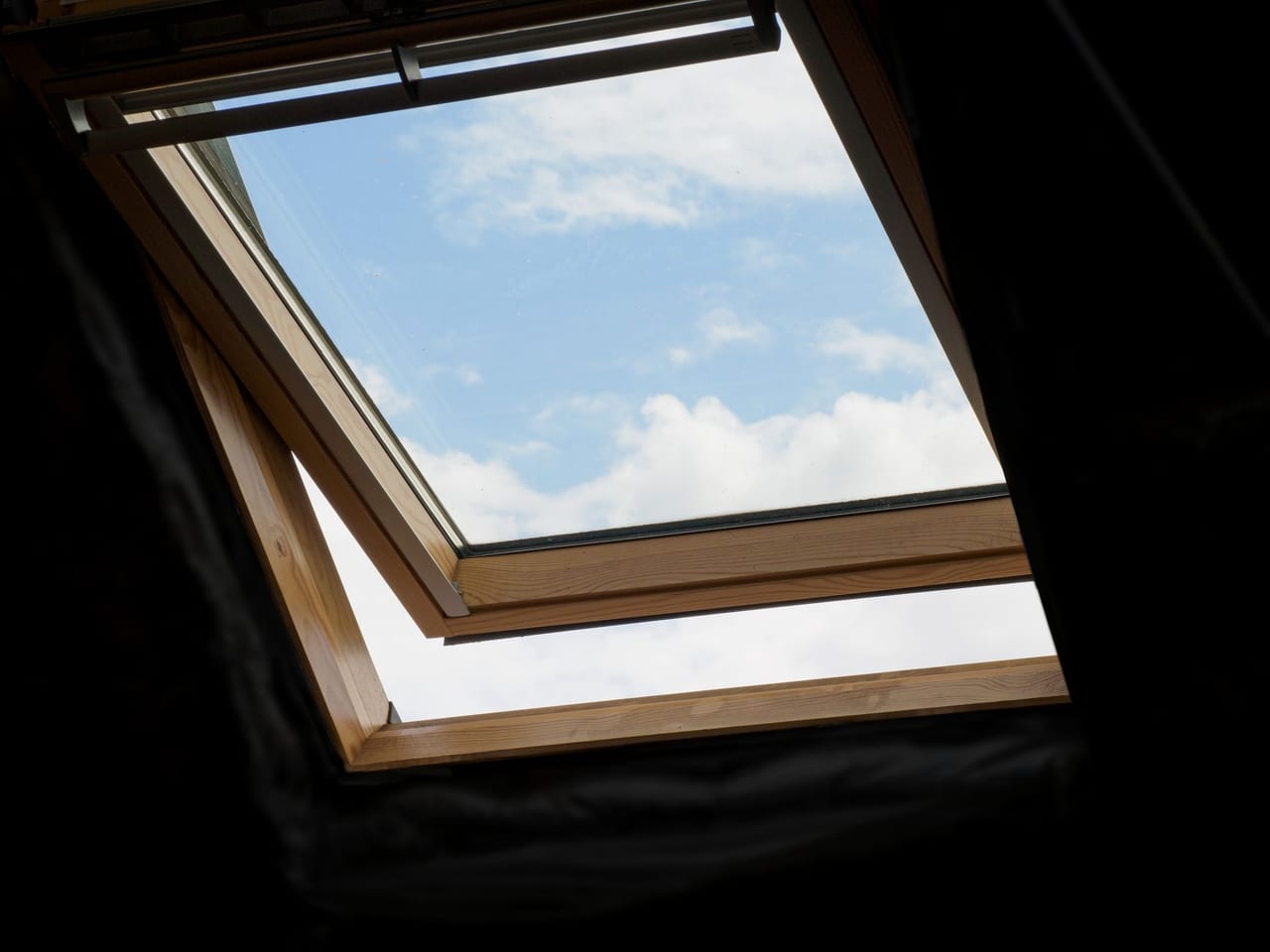
Opening a window is the easiest solution, and for most Thai homes it costs nothing extra. After your session ends, crack the sauna door slightly to let the cabin breathe, then open a window wide to flush the room. Leave both open for at least 15–20 minutes. If you have two windows on opposite walls, even better — cross-ventilation moves air through the room much faster than a single opening can.
An Exhaust Fan Is Worth the Investment
A wall-mounted or ceiling exhaust fan is a low-cost, permanent fix. A fan rated for bathroom use (look for an IP44 rating or higher) is perfectly suitable. Set it on a timer so it runs for 20–30 minutes automatically after each session, even if you forget. Combined with a small gap at the bottom of the door or a wall vent to supply replacement air, an exhaust fan keeps the room reliably dry with no effort on your part.
Leave the Sauna Door Ajar After Use
When you finish your session, leave the sauna door slightly open until the cabin cools completely. This lets residual heat and moisture escape slowly into the room rather than condensing on the interior cladding and bench wood. Once the sauna is at room temperature, close it normally. This single habit extends the life of your interior timber considerably.
The Thailand Complication
Here is where Thai owners need to think a little differently from, say, a Finnish homeowner. Finland's ambient humidity in winter can be 30–40%. Bangkok, Phuket, or Chiang Mai sit at 70–85% relative humidity for much of the year — and during the rainy season, it can push higher still.
This means that simply opening a window in Thailand does not bring in dry air. It brings in more humid air. Ventilating the sauna room is still the right thing to do — stale, super-heated air needs to leave — but ventilation alone will not fully solve a moisture problem if your ambient outdoor humidity is already high.
What Actually Helps in a Humid Climate
- A dehumidifier in the sauna room. This is the single most effective addition for Thai homes. A mid-size unit (12–16 litre per day capacity) placed in the sauna room and left running on a humidistat will handle the baseline ambient humidity as well as post-sauna moisture. Aim to keep the room below 65% relative humidity when the sauna is not in use.
- Sealed or well-painted walls. Bare concrete or unpainted plaster absorbs moisture readily. Semi-gloss or gloss wall paint, or a water-resistant wall finish, gives moisture nowhere to hide and makes the room far easier to dry out.
- Tile or treated flooring. Avoid carpet in any room that houses an indoor sauna. Tiles, sealed concrete, or vinyl plank flooring are all easy to wipe dry and do not harbour mould.
- Regular inspection. Once a month, check the corners of the ceiling, the wall nearest the sauna door, and any timber skirting for early signs of discolouration or soft spots.
The 25 mm Clearance Rule
One detail that is easy to overlook: Sisu Sauna requires a minimum of 25 mm clearance on all sides between the sauna cabin and the surrounding walls. This gap is not just structural — it is a ventilation channel. It allows air to circulate around the exterior of the cabin, preventing heat and moisture from becoming trapped against the wall and causing damage to either the sauna cladding or your room's wall surface.
If your sauna is being built into an alcove or a corner, make sure this clearance is maintained and not blocked by decorative panels or storage.
A Quick Routine That Protects Your Investment
- Finish your session and open the sauna door slightly.
- Open a window or switch on the exhaust fan.
- Leave both open or running for at least 20 minutes.
- Once the sauna is cool, close the sauna door normally.
- Let the dehumidifier (if fitted) handle the rest overnight.
It takes no more than a few seconds to set in motion, and it adds years to both your sauna and your room. A well-ventilated sauna room is a healthy one — and in Thailand's climate, a little extra attention to moisture pays off more than anywhere else.