
What Types of Saunas Can I Buy in Thailand?
Before we get into where to buy, let’s talk about what you’re actually buying. This matters more than most guides will tell you.
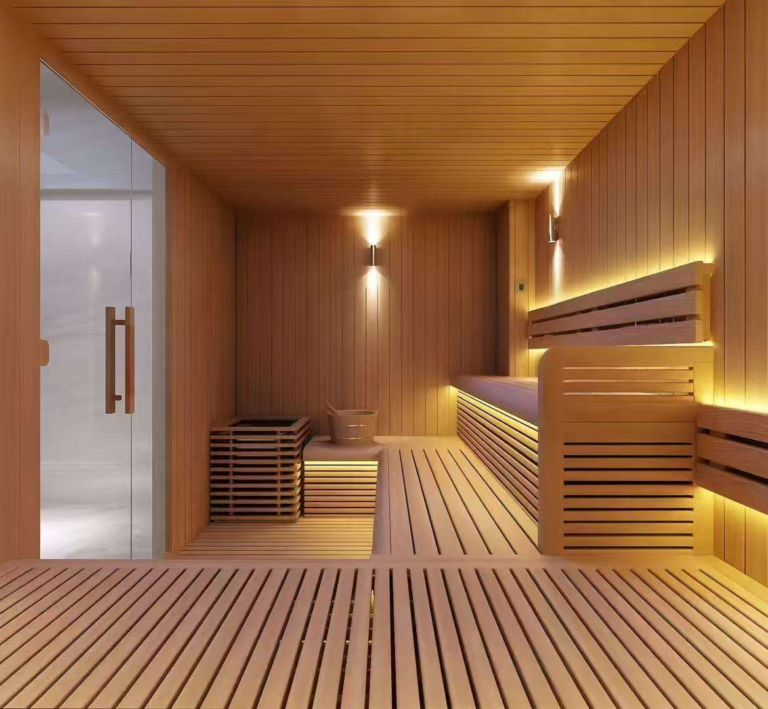
Traditional Finnish Saunas
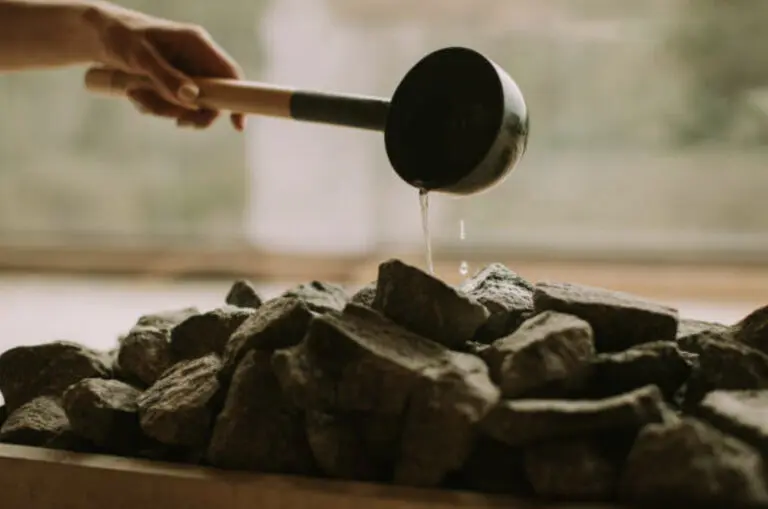
This is the real deal. High heat (typically 75-100°C / 165-212°F), low humidity, with the option to throw water on hot stones to create bursts of steam. The Finns call this “löyly” – and apparently, I still pronounce it wrong after two years of trying.
Traditional saunas raise your heart rate to 100-150 beats per minute, roughly equivalent to moderate exercise. A 2018 review published in Mayo Clinic Proceedings found that regular sauna bathing (4-7 times weekly) was associated with reduced risks of cardiovascular disease, sudden cardiac death, and all-cause mortality in a long-term Finnish study of over 2,300 men.
Now, the study was conducted in Finland, where people have been doing this their whole lives. Whether you’d see the same results starting at 50 after decades of less-than-ideal lifestyle choices is a fair question. But I can tell you what happened to me, and at least the research suggests I’m not imagining things.
Infrared Saunas
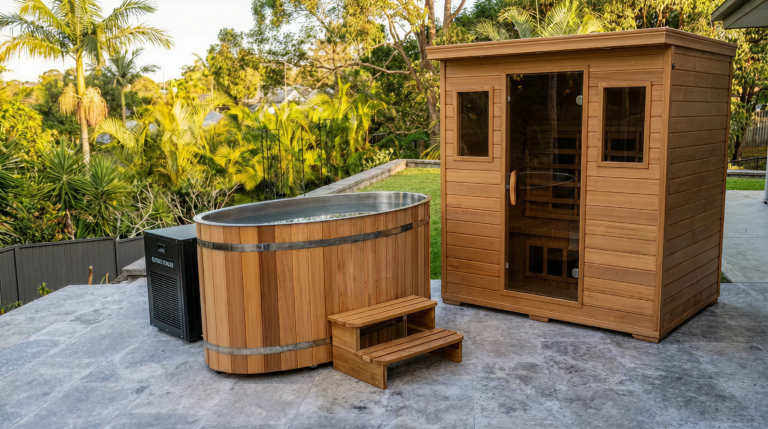
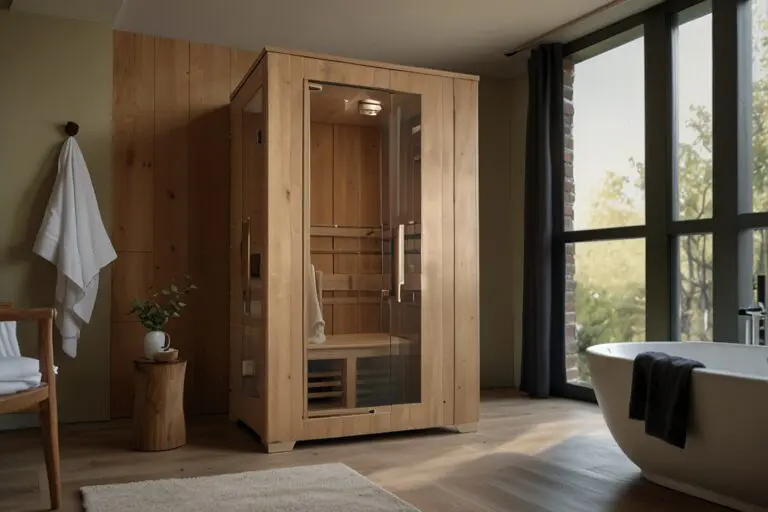
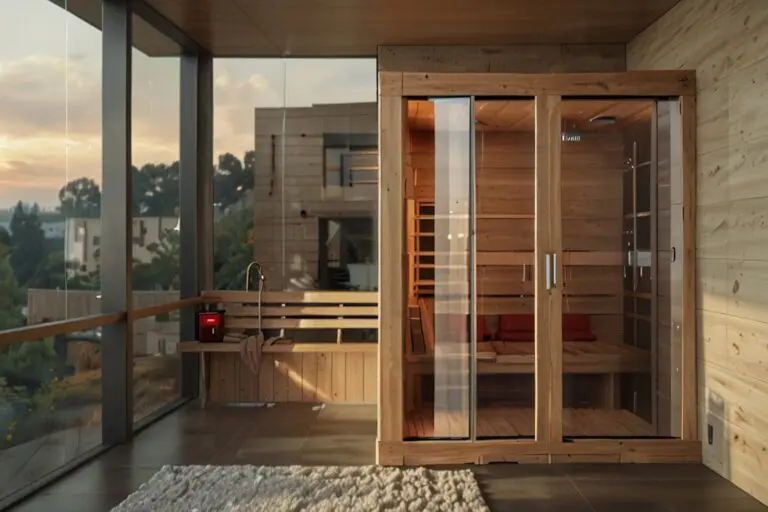
Infrared saunas use light panels to heat your body directly rather than heating the air around you. They operate at lower temperatures (45-60°C / 113-140°F), which makes them more tolerable for longer sessions and arguably better suited to Thailand’s climate – because the last thing you want is to walk out of a 100°C (212°F) box into 35°C (95°F) humidity.
Research on infrared is relatively new compared to traditional sauna research. Still, there’s evidence suggesting benefits for chronic pain conditions and recovery. It’s a different tool for a different purpose – and for some people, particularly those who find traditional sauna heat overwhelming, it’s the better choice.
Steam Rooms
Steam rooms (sometimes called Turkish baths) provide moist heat at lower temperatures with humidity approaching 100%. They’re a different experience – more about the moisture than the heat – and tend to be better for respiratory health and skin hydration.
I’ll be honest: steam rooms aren’t my thing. The sensation of breathing hot, wet air reminds me too much of Bangkok in April, which I’m already getting plenty of. But if that’s what works for you, it’s a legitimate option.
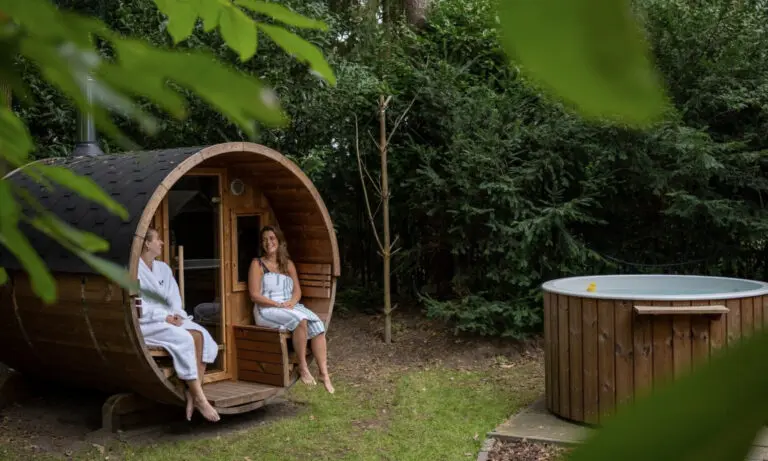
Barrel Saunas
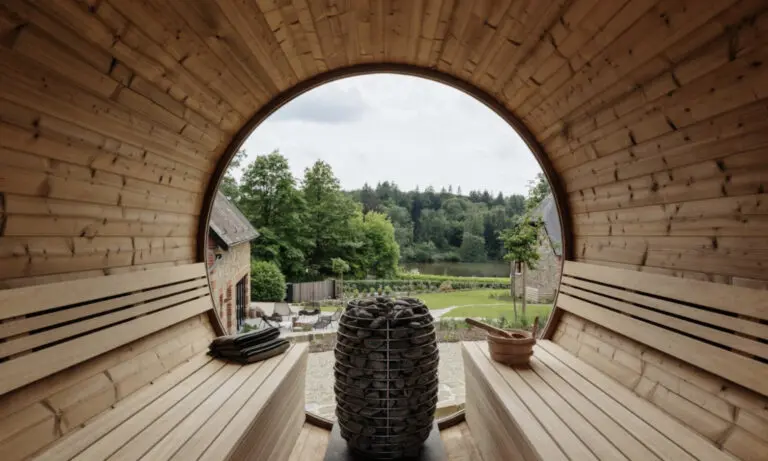
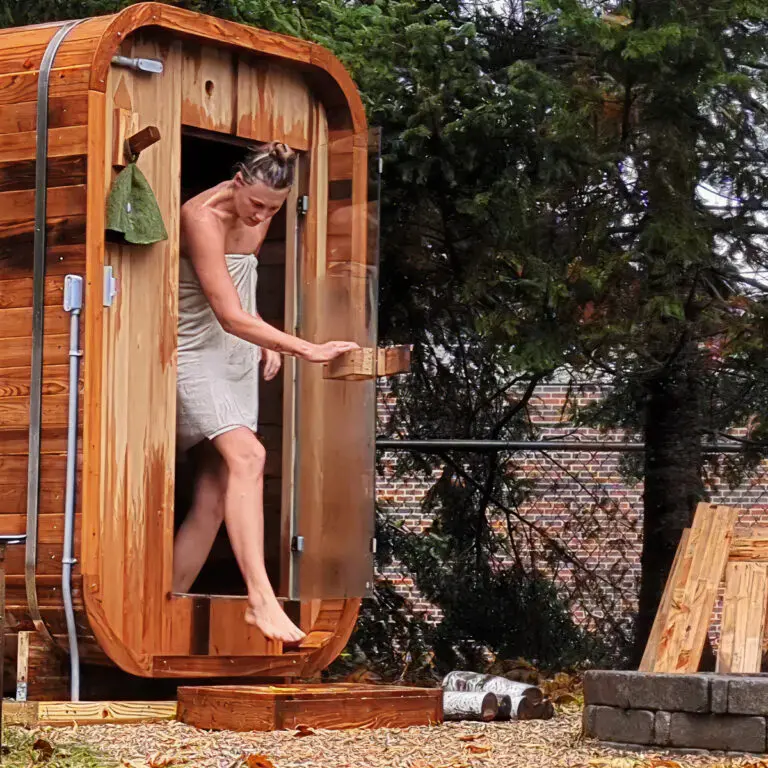
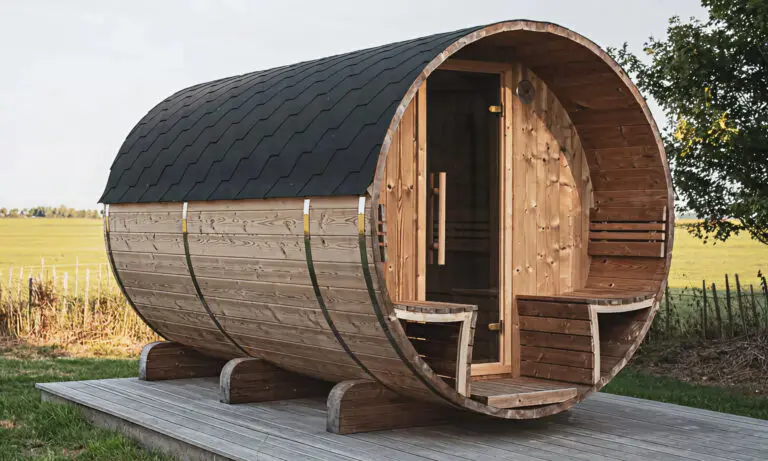
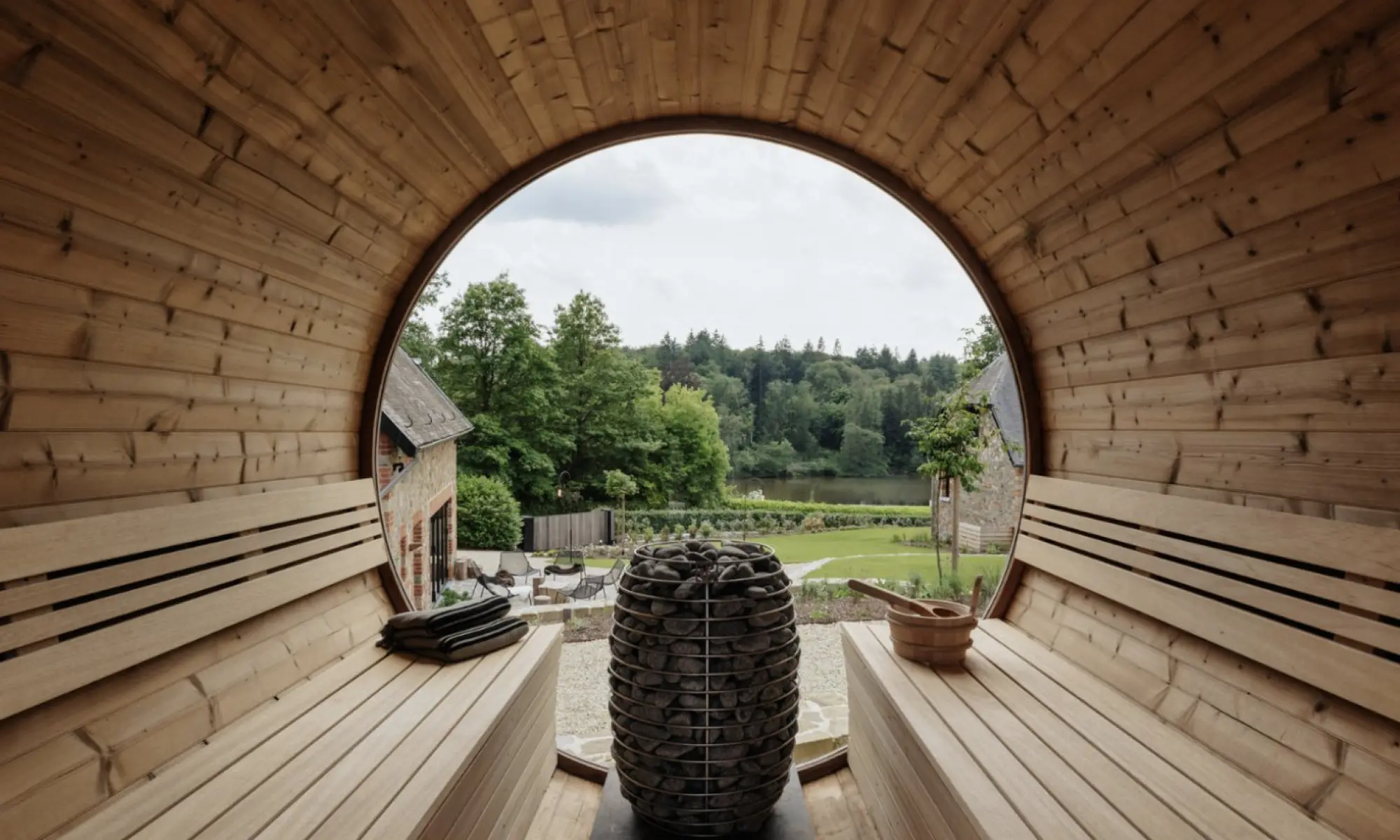
These are technically traditional Finnish saunas in a barrel shape. The cylindrical design isn’t just aesthetic – it actually heats more efficiently because hot air rises and circulates naturally around the curve. Less wasted space means faster heating times and lower energy costs.
They’re also, and I say this as someone who sells them, genuinely beautiful objects. There’s something about a well-made cedar barrel sitting in a garden that doesn’t look like a health appliance – it looks like furniture. Good furniture. The kind that makes visitors ask questions and makes your property stand out.
What Should I Consider Before Buying a Sauna in Thailand?
Here’s where I’m going to save you from making some expensive mistakes. I’ve seen people buy saunas that ended up as storage sheds because they didn’t think through a few key things.
Space and Installation
First question: where’s this thing going?
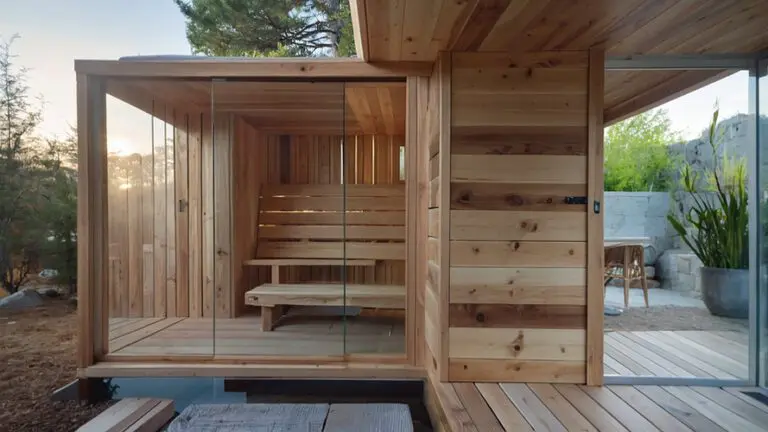
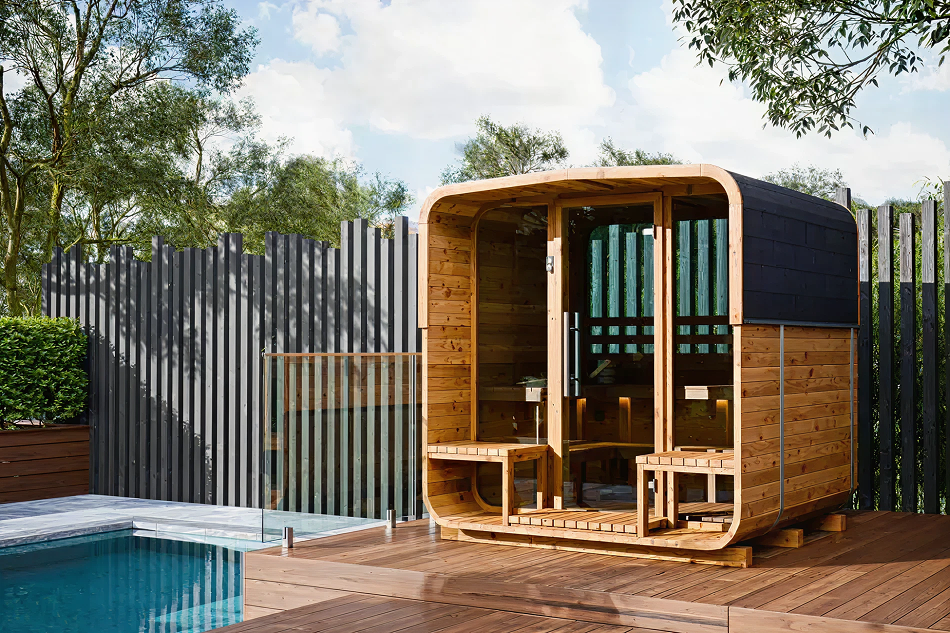
Indoor saunas need ventilation and proximity to electrical connections. Outdoor saunas need weather protection – and in Thailand, that means serious thought about rain, humidity, and the sun absolutely hammering your timber during the dry season.
Measure your space. Then measure it again. Then think about what it looks like to actually get a sauna into that space – because I’ve watched delivery teams navigate Thai soi that would challenge a cat.
Climate Considerations
Thailand isn’t Finland. The materials that work perfectly in a Nordic climate can struggle here.
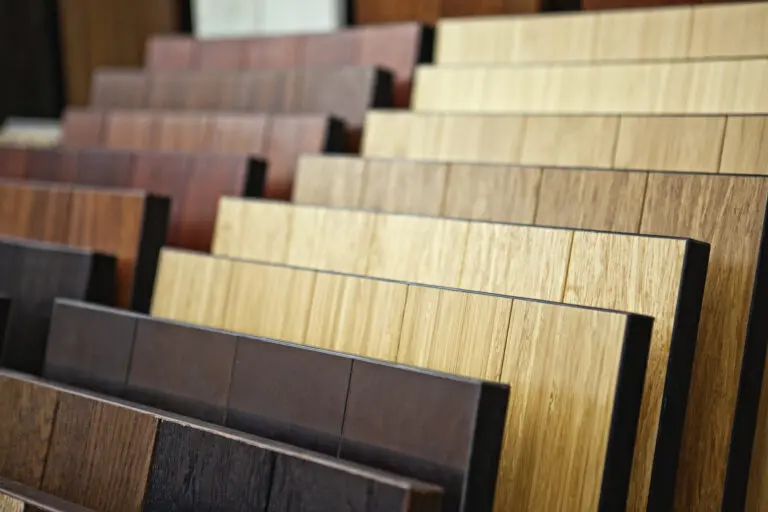
Timber quality matters enormously. Canadian Western Red Cedar is naturally rot-resistant and handles humidity well. Thermo-treated pine (wood heat-modified to change its properties) is another solid option for tropical conditions. Cheap pine that hasn’t been adequately treated? You’ll be replacing panels in two years.
In Finland, you can use almost any wood because it’s cold and dry. Here in Thailand, you pay for quality timber, or you pay for repairs. That’s just the reality.
Budget Reality
Let’s talk numbers, because this is where a lot of guides get vague and unhelpful.
Portable infrared saunas start around ฿30,000-50,000. They’re entry-level – fine for testing whether you’ll actually use a sauna, but don’t expect them to last forever or deliver the same experience as a proper unit.
Quality infrared saunas start around ฿89,000 at Sisu. These are proper units with decent build quality and components that will last.
Custom-built saunas – the authentic Finnish sauna rooms designed specifically for your space – start around ฿250,000 and go higher depending on size and specifications. These are built to last decades and can be designed around your exact requirements.
Is the expensive option always better? Not necessarily. But cheap is usually cheap for a reason. I’d rather see someone buy a well-made, smaller sauna than a poorly-made, large one.
The Investment Angle
Here’s something worth considering if you own property in Thailand – particularly a villa or house you might sell someday.
A well-built, attractive sauna isn’t just a wellness purchase. It’s an asset that can genuinely increase your property’s value and appeal. I’ve spoken with expats who specifically factor resale value into their decision. A beautiful cedar barrel sauna in a landscaped garden, or a properly designed sauna room integrated into a pool house – these are features that make properties stand out in the market.
It’s the difference between “house with pool” and “house with pool and private wellness facilities.” The latter commands attention and often a premium.
Obviously, this depends on doing it right. A cheap portable unit stuck in a corner doesn’t add value. But a quality installation that looks intentional and permanent? That’s an asset to your property portfolio.
Where Can I Buy a Sauna in Thailand?
Right. Here’s the part where I tell you about your options – including competitors – because I promised I’d be honest.
Specialised Sauna Retailers
There are a handful of dedicated sauna suppliers in Thailand. We’re one of them – Sisu Sauna, with our workshop in Surin, showroom in Bangkok, and delivery across the entire country, including Phuket, Chiang Mai, Pattaya, Hua Hin, and everywhere in between.
The advantage of buying from a specialist is the expertise they offer. When you call us, you’re talking to people who use saunas daily, understand the products inside and out, and can advise you on what makes sense for your situation. We’ve talked plenty of people out of purchases that wouldn’t have suited them.
Other specialists exist in the market. Some focus on commercial installations for hotels and spas. Some imported European brands. Do your research, ask questions, and pay attention to how they respond – if someone’s trying to pressure you into a quick decision, that’s a red flag.
Home Improvement Stores
Stores like HomePro and Thai Watsadu occasionally stock sauna units. The selection leans toward portable infrared models – fine for entry-level use, but don’t expect expert advice or comprehensive after-sales support.
The staff are generalists. They’re selling saunas the same way they’re selling bathroom tiles and garden furniture. Nothing wrong with that, but know what you’re getting.
Online Marketplaces
Lazada, Shopee, and others have listings for saunas. Prices can be lower. Quality control can also be… variable.
If you’re buying online, read reviews carefully (watch for patterns in complaints), check the return policy thoroughly, and understand that the pictures might not represent what arrives. I’ve seen people buy “premium Finnish saunas” online that turned out to be particle board with a veneer.
For portable units, are you willing to accept some risk in exchange for a lower price? Online can work. For anything you’re planning to keep for years? I’d want to see it in person or buy from someone with a reputation to protect.
Direct Import
Some people try to import directly from European or American manufacturers. This can work, but factor in shipping costs, import duties, and the fact that warranty support becomes complicated when the supplier is 10,000 kilometres away.
Unless you really know what you’re doing and have done the maths carefully, buying from an established Thailand-based supplier makes more sense.
Should I Buy a DIY Sauna Kit or Get a Custom Installation?

This is a question I get weekly, and the honest answer is: it depends on you.
DIY Sauna Kits and Ready-Made Units
Good-quality DIY kits and pre-built saunas include pre-cut components and detailed instructions. If you’re reasonably handy and patient, assembly is achievable – we regularly see successful DIY installations. Two to three people, basic tools, half a day to a full day, depending on the model.
The trade-off is that installation quality is entirely up to you. Gaps in panels, improperly seated components, electrical connections that aren’t quite right – these are the things that cause problems down the line.
At Sisu, we deliver DIY kits and ready-made saunas with a truck and crane to get the unit onto your property – but the assembly and installation are up to you. That said, you’re not on your own. We provide phone and video call support throughout the installation process, guiding you through any steps you need. Most people find this is enough to get a professional result without needing someone physically on-site.
For many people, that’s actually part of the appeal. There’s something satisfying about building your own sauna.
Custom Installation
Custom-built saunas are a completely different service. Our team visits your site, assesses the space, designs a sauna room specifically for you, and builds it on-site. The result is a permanent, integrated structure that’s designed around your requirements rather than adapted to them.
This is what we do at Sisu for our custom projects. Working through the design considerations – ventilation pathways, bench positioning, heater placement, material choices for your specific environment – it’s the difference between furniture and architecture.
The cost is higher. The result is also noticeably better if you’re planning to use your sauna for years, care about the details, and want something that genuinely adds value to your property.
What Happens After You Buy
This is something worth asking any supplier, because it separates serious businesses from people just shifting boxes.
At Sisu, we provide aftercare support when you need it. Saunas are relatively simple machines, but things do occasionally need attention – a heater element wears out, a component needs replacing, or you have a question about maintenance. We stock heater elements and replacement parts, and we’re available to help troubleshoot issues over the phone or via video call.
It’s not glamorous, but it matters. A sauna you can’t get parts for is a sauna with a limited lifespan. Ask any supplier what happens if something needs replacing in three years – and pay attention to how confident their answer is.
Will I Actually Use My Sauna?
Here’s something the sales guides don’t mention: the best sauna in the world is worthless if it becomes an expensive storage room.
I know because I’ve done this with gym equipment. Twice. That rowing machine that became a clothes rack? Still sitting in my old apartment back in Australia.
The thing that made the sauna different for me was turning it into a routine I actually wanted to keep. Four mornings a week, I wake up, have my coffee, and spend 30-40 minutes in the sauna. Sometimes my partner joins me – she’s Thai, was initially sceptical about this Finnish obsession, and is now a convert. We talk, we sit in comfortable silence, we sweat out whatever needs sweating out.
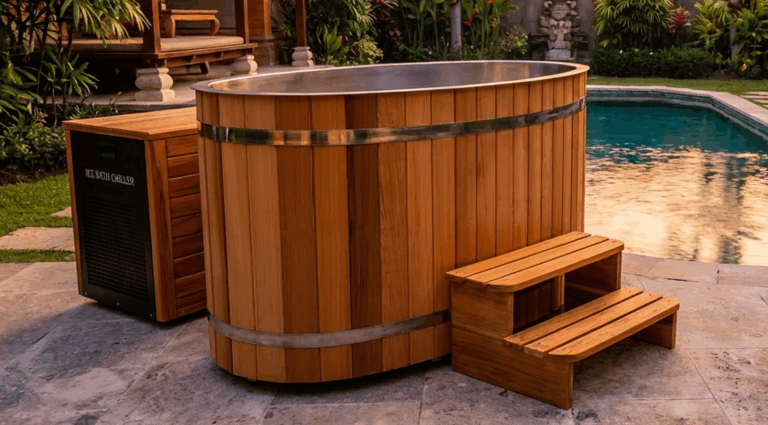
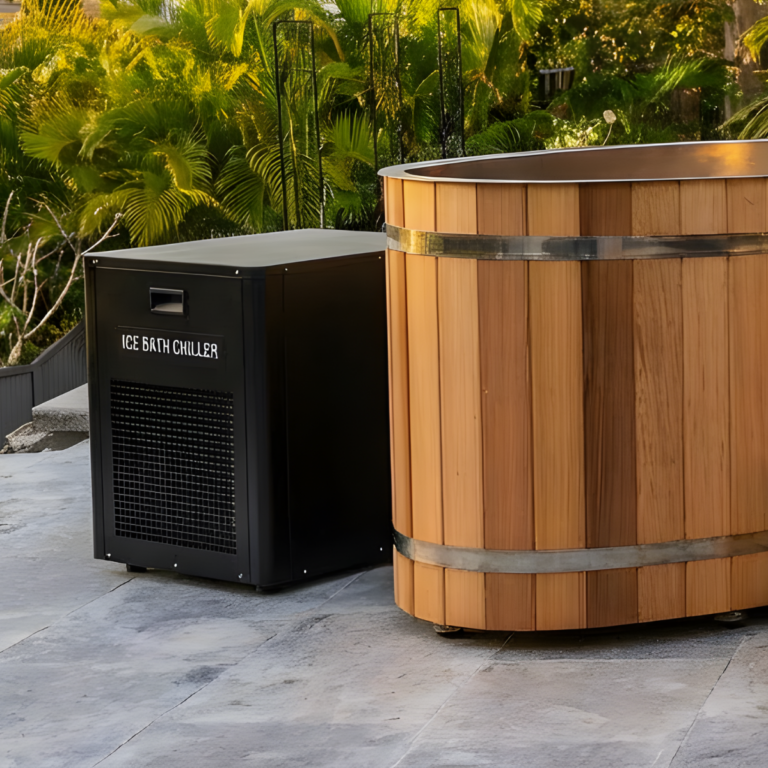
Then the ice bath. And yes, that part never stops being a bit confronting. But the feeling afterwards? That’s the part that keeps you coming back.
A research paper published in PLOS One in January 2025 reviewed the evidence on cold water immersion for health and wellbeing. The findings suggested time-dependent effects on stress reduction, with a significant reduction in stress markers observed 12 hours post-exposure. The evidence also pointed toward improved sleep quality and quality of life among regular practitioners.
[Source: PLOS One – Effects of cold-water immersion on health and wellbeing: A systematic review and meta-analysis]
Before you buy a sauna, ask yourself: Will you actually use this? If the answer is “probably” or “I hope so,” start with something smaller and cheaper to test the habit. If you’re already using gym saunas regularly and want a better experience at home, go bigger.
Is Buying a Home Sauna Worth It?

I didn’t expect to end up selling saunas. I expected to keep photographing bands until my knees gave out, then teach photography somewhere warm.
But here I am, in Bangkok, genuinely excited about cedar timber, heater wattages, and the proper way to throw water on stones.
What changed? I found something that actually worked. Not in a woo-woo, wellness-influencer way – in a practical, measurable, my-joints-don’t-hurt-anymore way. Ten years of arthritis, gone in two weeks. Chronic eczema that dermatologists had shrugged at cleared in a month. Forty-two kilograms of weight from a lifestyle I’m not particularly proud of, gradually disappearing.
I can’t promise you’ll have the same results. Bodies are different, circumstances are different, and I made other changes too. But I can promise that if you’re considering a sauna, you’re not chasing a fad. You’re looking at something the Finns have been doing for thousands of years, backed by an increasingly solid body of research.
Whether you’re buying for health, for lifestyle, or because you want an asset that makes your property more valuable and more enjoyable – a quality sauna delivers on all three.
In Finland, sauna isn’t a luxury – it’s maintenance. You wouldn’t skip brushing your teeth for a week. Sauna is the same. It’s just how you take care of yourself.
If you’re in Thailand and ready to explore your options, we’re at sauna.in.th. Happy to answer questions, whether you end up buying from us or not. Either way, feel free to get in touch with me, even if to shoot the breeze.