
The Basics: What Makes Good Sauna Timber?
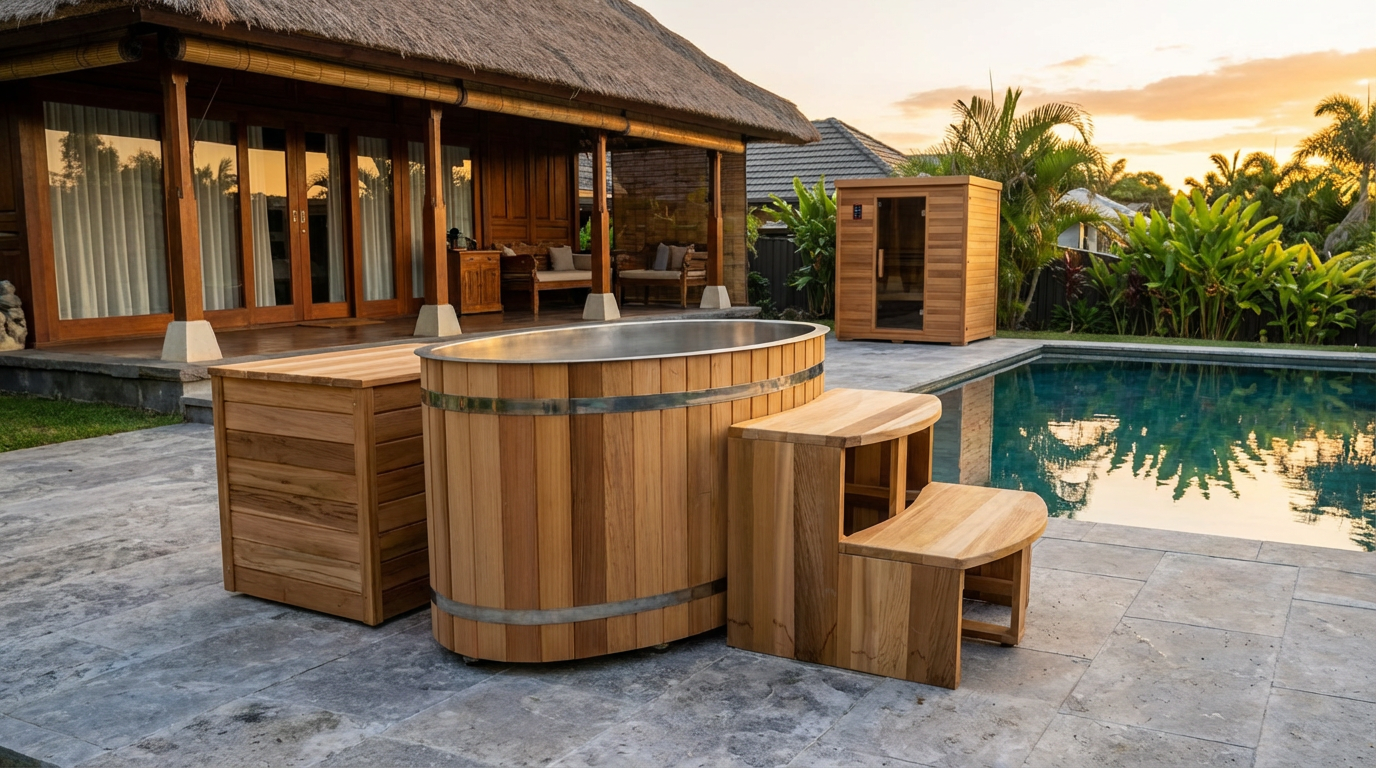
Before we get into specific species, here’s what you’re looking for in any sauna wood:
Low thermal conductivity. This is the big one. You want timber that doesn’t conduct heat too efficiently, otherwise the benches and backrests become uncomfortably hot against bare skin. Softwoods generally win here.
Moisture resistance. Saunas are wet environments—steam, sweat, löyly. The timber needs to withstand repeated wetting and drying without warping, cracking, or mould growth.
Low resin content. Some woods release sticky sap when heated. Not ideal when you’re sitting naked on a bench at 85°C.
Dimensional stability. The timber will expand and contract with heat cycles. You want wood that stays relatively flat and doesn’t twist or cup over time.
Aesthetics and aroma. This is a personal preference, but the visual warmth of timber and the scent it gives off when heated are part of what makes a sauna feel like a sauna.
Is Spruce Good for Saunas in Thailand?
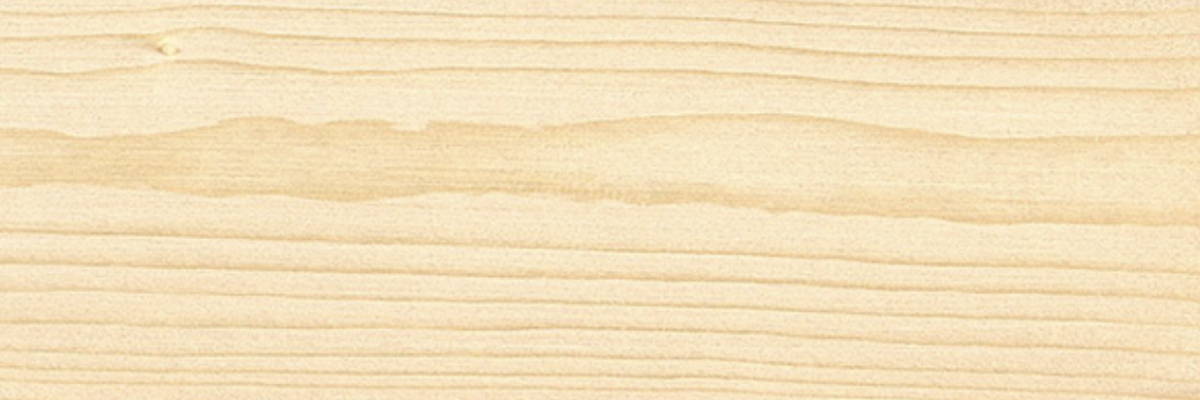
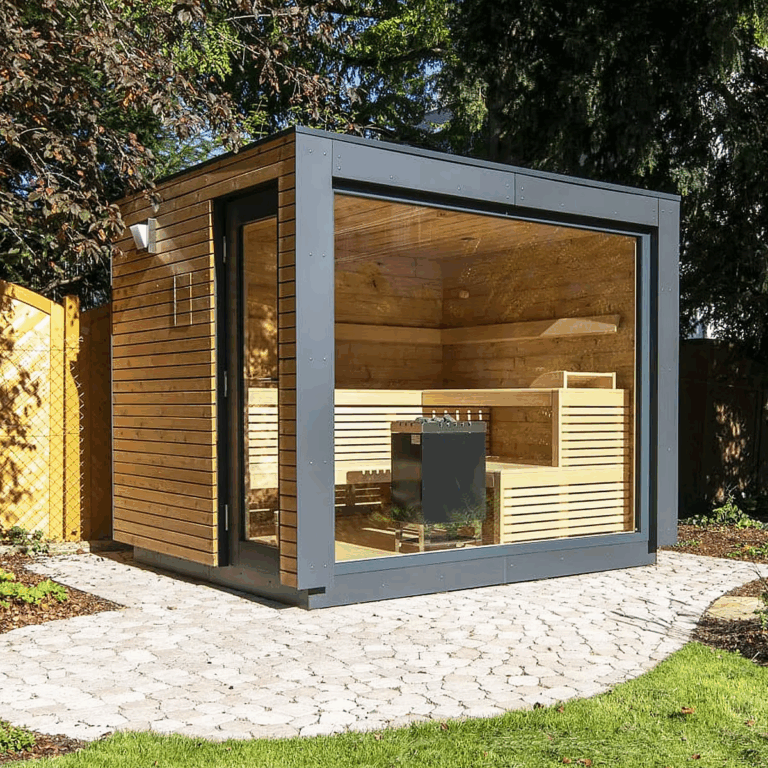
Spruce is the traditional Finnish choice. Walk into most saunas in Finland, and you’ll find Nordic spruce on the walls and ceiling. It’s light-coloured with a straight, even grain, and it smells fresh and clean when heated—that classic sauna scent many people picture.
The advantages are genuine. Spruce has excellent thermal properties, it’s affordable, and it’s easy to work with. The tight growth rings of Nordic spruce make it more stable than faster-growing varieties.
The downside? Standard spruce isn’t the most durable option in high-humidity environments. It is prone to moisture damage if not properly maintained, and it contains resin pockets that may weep during the first season of use. In Thailand’s climate, untreated spruce requires more attention than some alternatives.
For interior walls and ceilings in a well-ventilated indoor sauna, spruce is a good choice. For outdoor installations or areas with heavy moisture exposure, consider thermally modified options or more naturally resistant species.
Best for: Interior walls and ceilings. Budget-conscious builds where you’re committed to proper maintenance.
Can I Use Pine for a Sauna in Thailand?
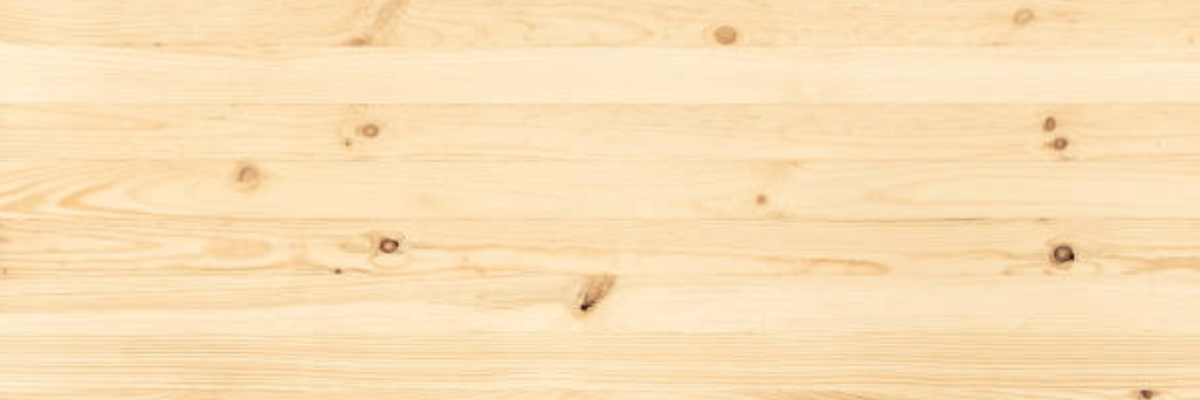
Pine is the workhorse of the timber world—affordable, widely available, and perfectly functional for sauna construction when treated correctly.
The reality is that pine has a mixed reputation in sauna circles. The primary concern is resin. Pine contains more sap than spruce, and those resin pockets can release sticky residue when heated, particularly in the first year of use. Nobody wants to peel themselves off a bench.
That said, properly kiln-dried pine with minimal knots performs fine for wall cladding and structural elements. The key is keeping it away from the hottest areas—don’t use untreated pine for benches or anywhere you’ll be in direct contact with it at peak temperatures.
Pine also tends to have more visible knots than spruce, which some people love for the character and others find distracting. The scent when heated is pleasant—slightly sweeter than spruce.
For custom saunas in Thailand, we often use treated pine for structural framing and exterior elements where its affordability makes sense. For interiors, we’re more selective about where it goes.
Best for: Structural framing. Exterior cladding, when properly treated. Wall panelling in lower-heat areas.
What Is Thermo Pine and Why Is It Better for Tropical Climates?
This is where things get interesting.
Thermal modification is a process developed in Finland in the 1990s that transforms ordinary softwood into a significantly more durable material. The timber is heated to around 180-230°C in a controlled, oxygen-free environment using only heat and steam—no chemicals.
What happens during this process is genuinely impressive. The heat permanently changes the wood’s cellular structure, reducing its moisture content and making it far more dimensionally stable. The result is pine that behaves more like a premium hardwood.
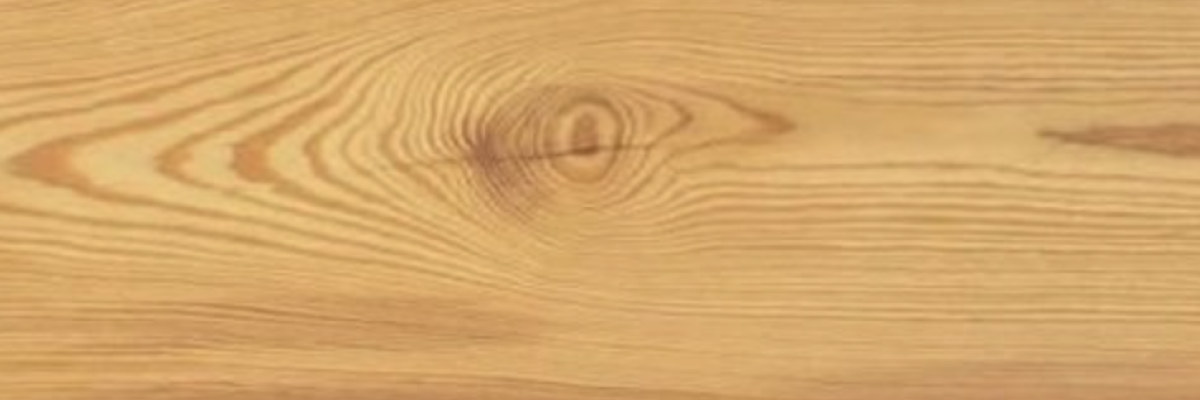
Thermo pine has a rich caramel-brown colour that’s quite striking, with an elegant grain pattern. It resists moisture far better than untreated pine, doesn’t warp or swell as much with temperature changes, and the thermal treatment significantly reduces resin content—so no more sticky benches.
The process also makes the timber more resistant to decay and fungal growth, which is particularly relevant in Thailand’s humid climate.
The trade-off is cost. Thermally modified timber is more expensive than standard pine. But for outdoor saunas or installations where longevity matters, the premium is often worth it.
Best for: Outdoor saunas. High-humidity environments. Anyone who wants the warmth of pine without the maintenance concerns.
Is Fir Suitable for Saunas?

Fir is another softwood option that shares characteristics with spruce and pine. It’s light-coloured, has a relatively straight grain, and offers decent thermal properties for sauna use.
The main advantage of fir is availability and cost—it’s often more affordable than cedar or hemlock while still performing adequately in sauna conditions.
However, fir tends to have a higher resin content than spruce, and it’s not as naturally moisture- and decay-resistant as some alternatives. Like pine, it’s best suited for interior applications rather than exterior or high-moisture areas.
Some fir species also have a more pronounced grain with larger knots, which affects both aesthetics and performance. Knots can dry out and loosen over time, potentially falling out in high-heat environments.
Best for: Interior wall cladding in covered, indoor installations. Budget builds where cedar or hemlock isn’t feasible.
Why Is Hemlock Popular for Sauna Benches?
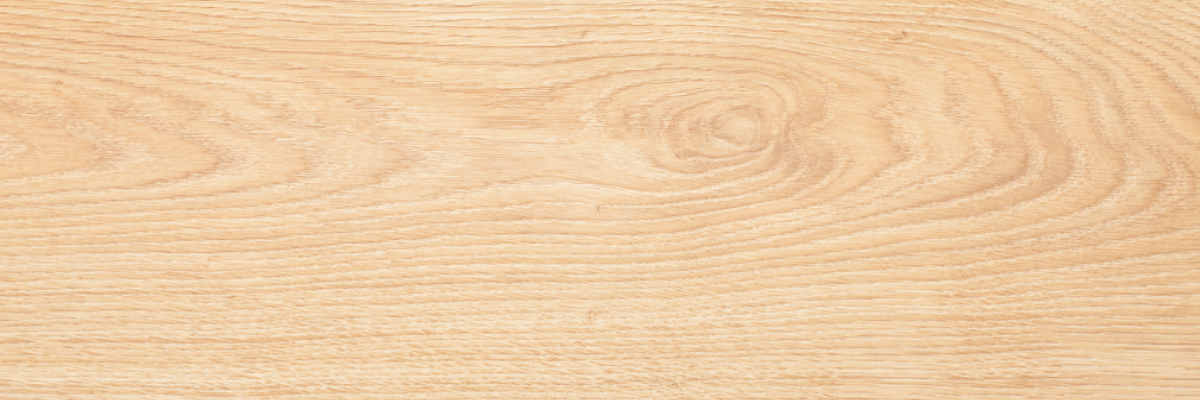
Canadian hemlock is a popular choice in North America and increasingly common in pre-fabricated saunas worldwide. It’s a clean, consistent timber with a smooth, knot-free finish and a warm, even colour.
The appeal of hemlock is its refined appearance. If you want a modern, minimalist sauna interior without visible knots and grain character, hemlock delivers that sleek aesthetic.
Functionally, hemlock has good thermal properties—it won’t get uncomfortably hot against your skin. It’s also resin-free, so no sticky surprises. The timber is stable and durable, though not as naturally rot-resistant as cedar.
One consideration: hemlock can have a faint, slightly unpleasant odour when freshly cut, but this disappears once the timber is dried and installed.
In our DIY sauna range, hemlock is a mid-tier option that balances quality and cost effectively. It’s perfect for benches and backrests where skin contact is constant.
Best for: Benches and backrests. Modern interior aesthetics. Pre-fabricated sauna kits.
What Makes Red Cedar the Best Sauna Wood?
Now we’re into premium territory.
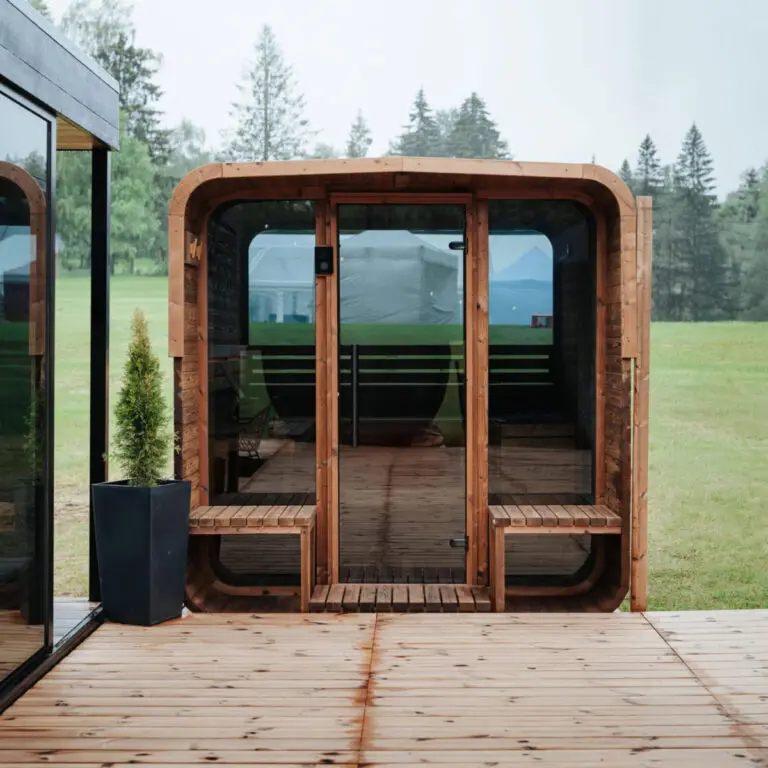
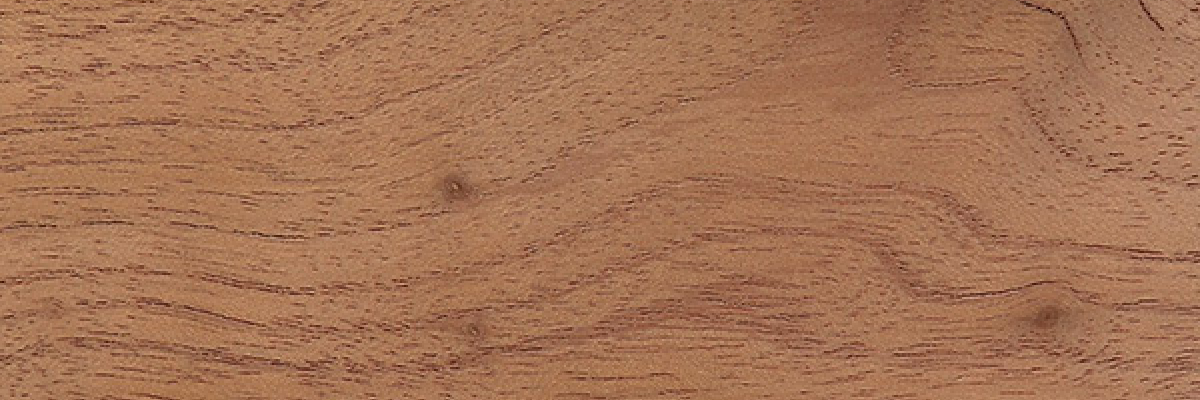
Western red cedar is the gold standard for sauna construction in North America, and for good reason. It’s naturally beautiful, with a warm reddish-brown colour and distinctive grain patterns that add genuine character to any sauna.
But the real advantage of cedar isn’t just looks—it’s performance. Cedar contains natural oils called thujaplicins that make it exceptionally resistant to rot, decay, and insects. This timber can withstand outdoor installations and humid climates without the chemical treatments other woods require.
Cedar also has excellent thermal properties. It remains comfortable to the touch even at high temperatures and provides sound thermal insulation. And the aroma—there’s nothing quite like stepping into a hot cedar sauna. The scent is rich and aromatic, enhancing the whole experience.
The downsides? Cost, primarily. Quality red cedar is expensive, and as old-growth forests become scarcer, prices continue to rise. There’s also the sourcing question—ensure you’re buying sustainably harvested cedar.
Some people find the cedar scent quite strong, particularly when the sauna is new. If you’re sensitive to fragrances, this might be overwhelming at first, though it mellows over time.
Best for: Outdoor saunas. Premium installations. Anyone prioritising longevity and natural beauty.
Is Teak Good for Saunas in Thailand?
Here’s where Thailand has a genuine advantage.
Teak is a tropical hardwood native to Southeast Asia, and Thai teak in particular has an exceptional reputation. The climate here—hot, wet seasons followed by dry periods—produces teak with tight grain, high oil content, and remarkable durability.
For sauna use, A-grade teak offers some compelling benefits. It’s incredibly moisture-resistant, naturally repels insects and decay, and has been used in marine construction for centuries precisely because it performs well in wet conditions.
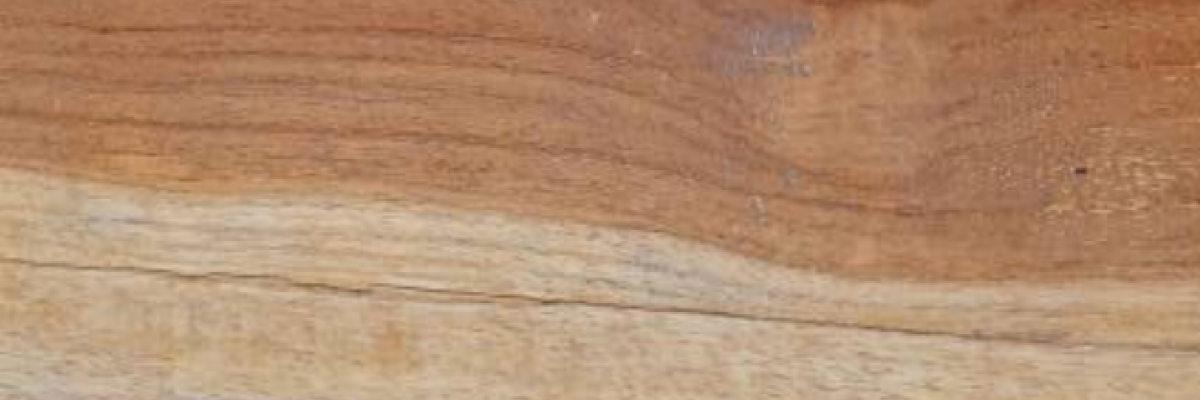
Teak has a beautiful golden-brown colour that deepens with age, and the tight grain gives it a premium appearance. The natural oils mean it requires minimal maintenance and won’t dry out or crack like some softer woods.
The thermal properties are worth considering, though. Teak is denser than traditional sauna softwoods, which means it can feel warmer to the touch at high temperatures. For benches, this might be a factor, though in practice the difference is manageable.
Cost is the main barrier. A-grade teak is a premium material, and you’ll pay accordingly. But for a custom sauna built to last in Thai conditions, it’s hard to beat.
For our custom-built saunas, teak is one of two primary options we offer—and it’s particularly popular with clients building outdoor or semi-outdoor installations where moisture resistance is paramount.
Best for: Custom builds in Thailand. Outdoor and semi-outdoor installations. High-end residential and commercial projects.
What Is Shou Sugi Ban and Should I Use It for My Sauna?
Right, let’s talk about the charred stuff.
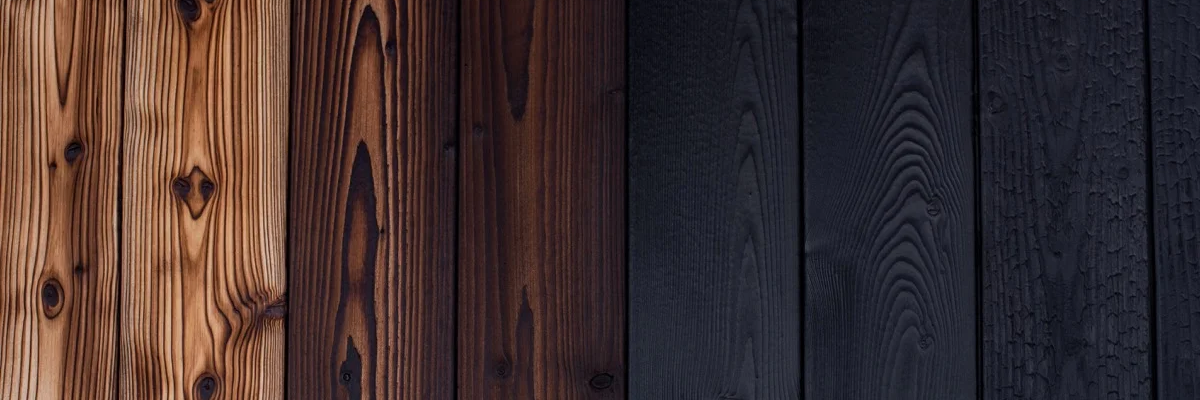
Shou Sugi Ban—also called Yakisugi—is a Japanese wood preservation technique dating back to the 18th century. The process involves carefully charring the timber’s surface with fire, then brushing, cooling, and finishing with natural oil.
It sounds counterintuitive. Burn your wood to preserve it? But the science is solid.
The charring process carbonises the wood’s surface, creating a protective layer that’s remarkably resistant to moisture, insects, fire, and decay. The charred layer seals the timber’s pores, preventing water penetration. And paradoxically, charred wood is actually more fire-resistant than untreated timber because the carbonised surface doesn’t ignite as easily.
Aesthetically, Shou Sugi Ban is striking. The deep black or charcoal finish with visible grain texture creates a dramatic look that’s become hugely popular in contemporary architecture. It pairs beautifully with lighter interior woods, natural stone, and minimalist design.
For saunas specifically, Shou Sugi Ban has some genuine advantages beyond appearance:
- Moisture resistance makes it ideal for exterior cladding on outdoor saunas, particularly in Thailand’s humid climate, where untreated timber struggles to withstand moisture.
- Insect- and decay-resistant materials mean less maintenance and a longer lifespan—no need for chemical treatments.
- Dimensional stability is achieved because the charring process reduces the wood’s tendency to swell and shrink with changes in moisture content.
- Durability that can exceed 80 years with proper maintenance, as seen in traditional Japanese examples.
Patrick, our Finnish co-owner, has the light char version of Shou Sugi Ban on his personal sauna. It’s eight years old now and still looks like it was installed last month. That’s not marketing—that’s what I’ve seen with my own eyes.
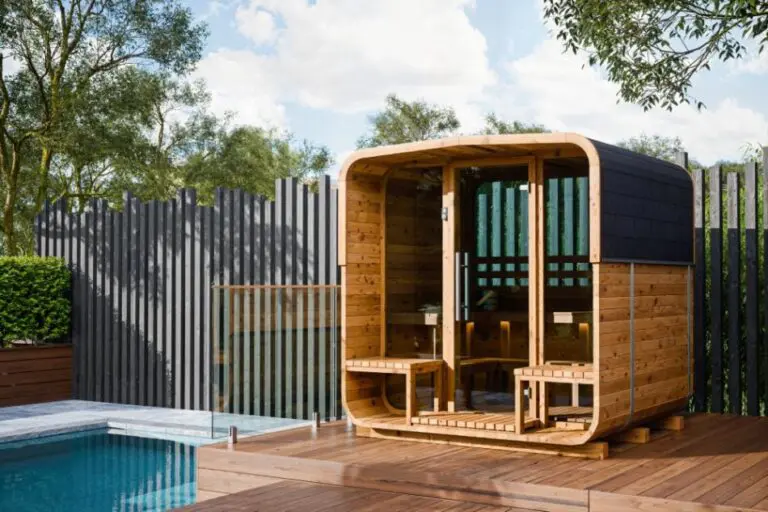
We use Shou Sugi Ban-treated pine for exterior cladding on custom saunas when clients want a distinctive blackened aesthetic combined with robust weather protection.
A few practical notes: Shou Sugi Ban is best suited for exterior applications rather than interior sauna surfaces. The charred texture isn’t comfortable against bare skin, and the dark colour absorbs heat differently than light interior timbers. Use it for the outside of your sauna and lighter, smoother woods inside.
The finish requires occasional re-oiling to maintain protection and appearance. But the trade-off is a sauna exterior that genuinely stands out while handling Thai conditions beautifully.
Best for: Exterior cladding on outdoor saunas. Accent walls and design features. Clients want a bold, contemporary aesthetic.
(Source: Hasburgh, L.E., et al. (2021). “Durability and Fire Performance of Charred Wood Siding (Shou Sugi Ban).” Forest Products Journal, Vol. 71, No. 1. U.S. Forest Service, Forest Products Laboratory. www.fpl.fs.usda.gov)
What Wood Should I Use for an Ice Bath?
Everything we’ve discussed applies to ice baths, too—with a few twists.
Ice baths don’t cause heat stress like saunas do, but they do expose you to constant water. Your timber isn’t just occasionally getting wet; it’s holding water or sitting directly next to it for extended periods. That changes the priority list.
Moisture resistance becomes the primary concern. Timbers that handle occasional sauna steam might struggle with the sustained wet environment of an ice bath. This is where naturally rot-resistant species really prove their worth.
Teak is exceptional for ice bath construction. Its natural oils and tight grain structure handle constant moisture exposure without degrading. We use A-grade teak for custom ice bath builds precisely because it’s proven in marine environments—and an ice bath is essentially a small pool.
Red Cedar works well too, with its natural thujaplicins providing resistance to rot and decay. It’s a popular choice for ice bath surrounds and cladding.
Thermo Pine is another solid option. The thermal modification process that makes it moisture-resistant in saunas works equally well for ice bath applications.
For exterior cladding on outdoor ice baths, Shou Sugi Ban offers the same benefits as it does for saunas—weather resistance, insect protection, and that striking aesthetic.
What we’d avoid: untreated spruce or standard pine in direct contact with water. They’ll absorb moisture, promote mould growth, and deteriorate faster than you’d like.
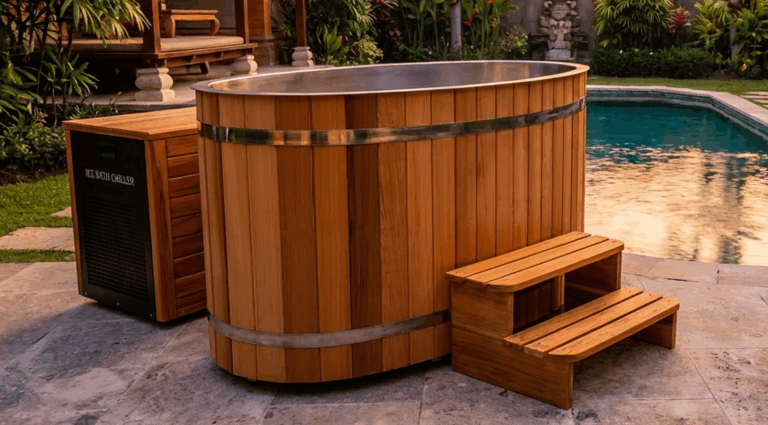
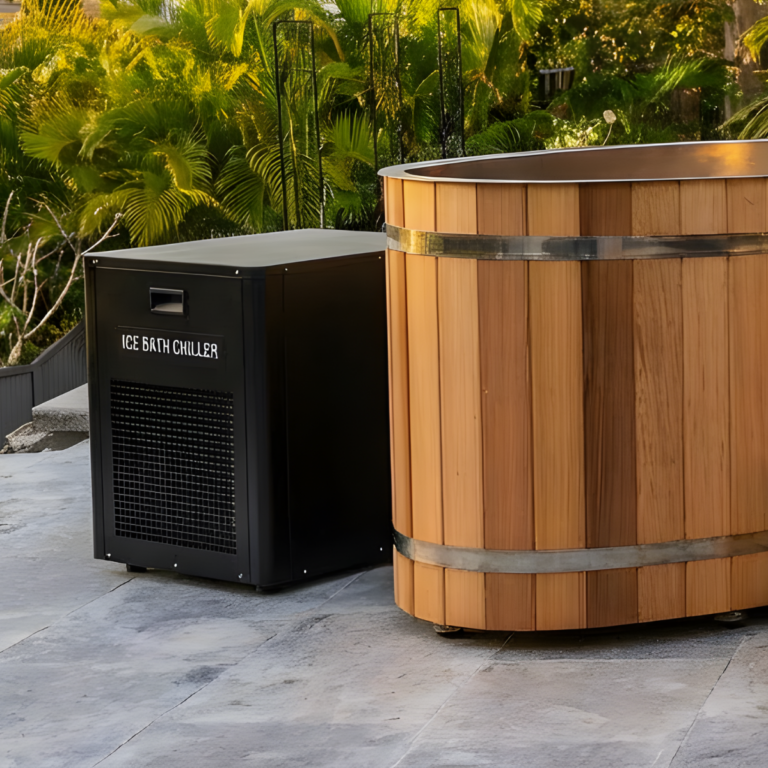
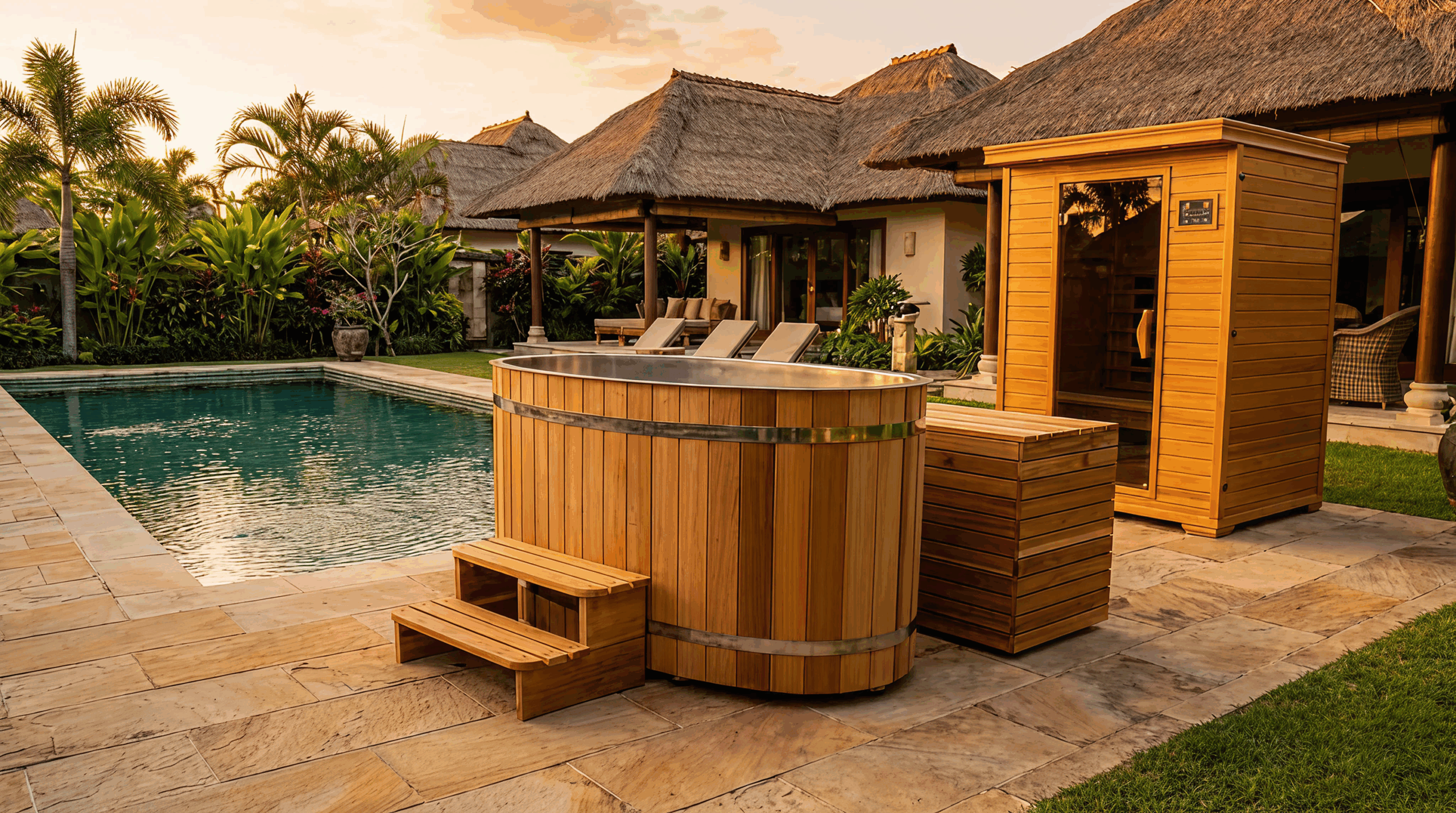
Our pre-built ice baths feature stainless steel interiors with timber cladding, giving you the best of both worlds—hygienic, easy-clean interiors with the warmth and aesthetics of natural wood on the outside. For custom builds, we use teak and treated pine, depending on your budget and design preferences.
Which Sauna Wood Is Best for My Situation?
It depends on your priorities:
Budget-conscious indoor sauna? Spruce or pine for walls, with hemlock benches.
Premium indoor sauna? Hemlock or red cedar throughout.
Outdoor sauna in Thailand? Thermo pine, A-grade teak, or red cedar—all handle humidity and weather well.
Maximum durability with minimal maintenance? Teak for structure and surfaces, Shou Sugi Ban for exterior cladding.
Statement piece with contemporary aesthetics? Shou Sugi Ban exterior, light hemlock or spruce interior for contrast.
Custom ice bath? Teak or thermo pine for anything in contact with water. Red cedar for surrounds and cladding.
Pre-built ice bath? Our range features stainless steel interiors with timber cladding—you get durability where it counts and aesthetics where it shows.
For our custom-built saunas and ice baths, we work with pine and A-grade teak as primary options, allowing clients to balance budget and performance for their specific situation. Our DIY and pre-fabricated range includes spruce, hemlock, and red cedar options, depending on the model.
The honest answer is that there’s no single “best” timber—only the best timber for your specific build, location, and priorities.
How Do I Source Sustainable Sauna Timber?
Whatever timber you choose, sourcing matters.
Ensure your cedar is sustainably harvested. Verify teak comes from legal, managed plantations rather than old-growth forests. Ask suppliers about the origin and certification of their timber.
Good timber is an investment that should last decades. Cutting corners on quality or sourcing false economies that cost more in maintenance, repairs, and early replacement.
We’re selective about our suppliers precisely because timber quality varies enormously. The cheapest option is rarely the best value when you factor in longevity and performance.
What’s the Best Wood for Saunas in Thailand’s Climate?
Building a sauna or ice bath in Thailand requires a different approach to timber selection than you might elsewhere.
Humidity, heat, UV exposure, and insects all stress timber in ways Scandinavian builders typically don’t consider. The choices that make sense in Finland aren’t automatically the best here.
Take the time to consider your specific situation—indoor or outdoor, sauna or ice bath, budget constraints, aesthetic preferences, maintenance tolerance—and choose timber that matches.
Or talk to us. We’ve been through this with enough clients to know what works and what doesn’t in Thai conditions. We’ll steer you toward the right option for your build.
Your sauna or ice bath should last a lifetime. Start with the right timber and it will.
Ready for a sauna or ice bath, or both? Contact us for a free consultation.