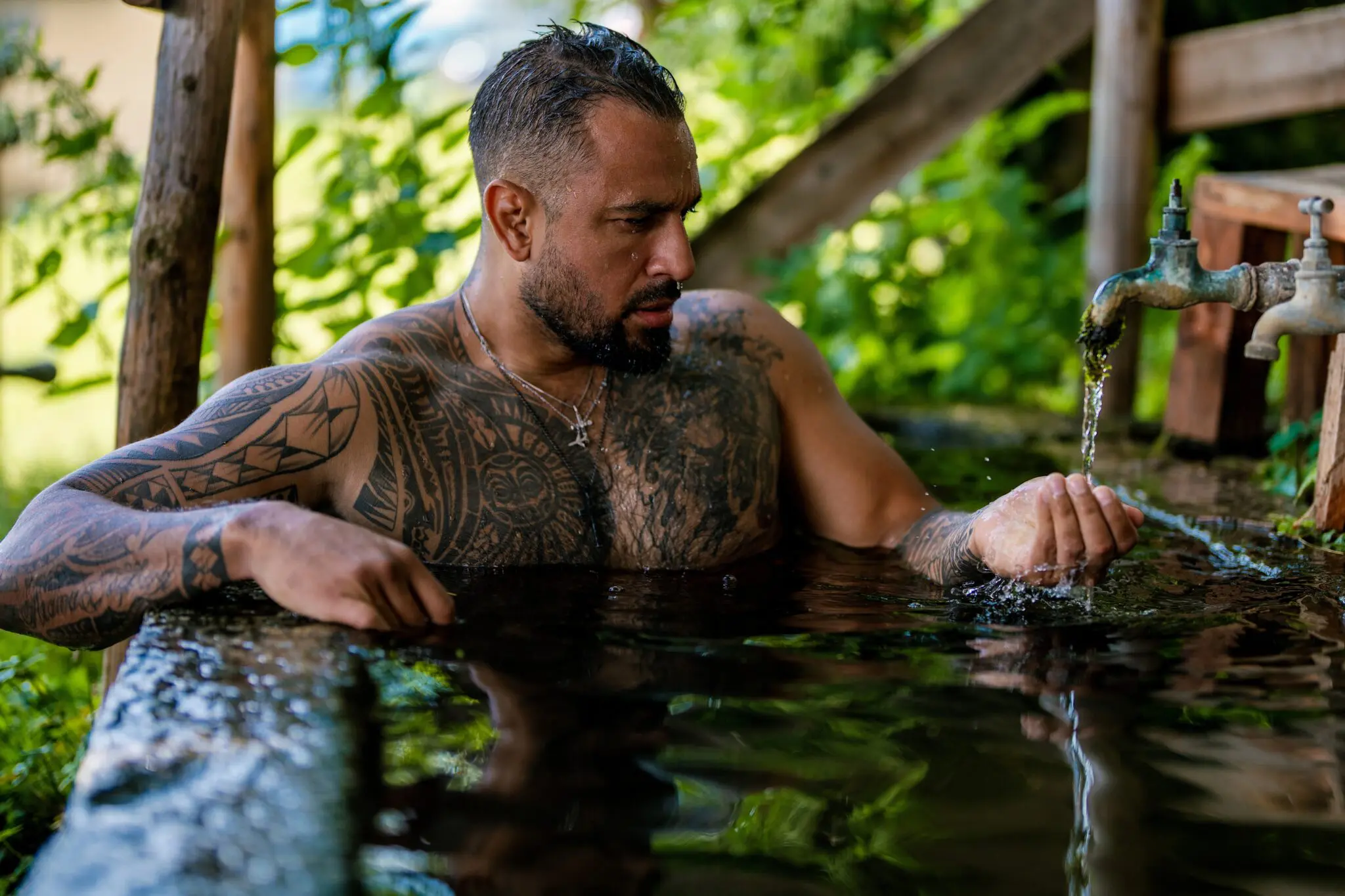

What Happens to Your Body During Contrast Therapy?
When you understand the physiology, the practice makes more sense.
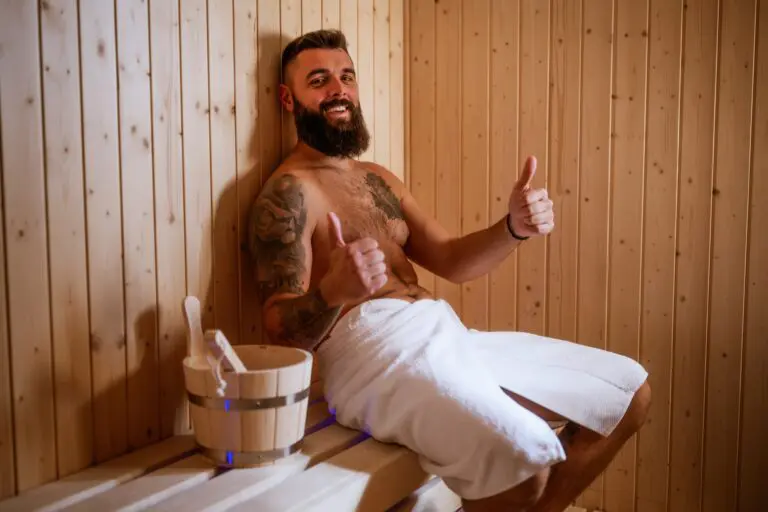
In the sauna, your body is trying to cool itself down. Blood vessels dilate (vasodilation) to push blood toward the skin surface where heat can escape. Your heart rate increases – sometimes to 100-150 beats per minute, similar to moderate cardio. You sweat profusely. Core temperature rises. Stress hormones like cortisol initially spike, then drop as you relax.
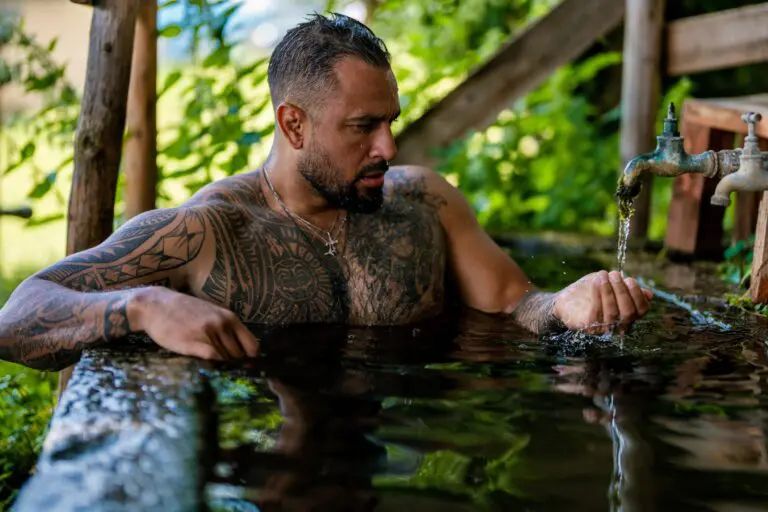
In cold water, the opposite happens. Blood vessels constrict (vasoconstriction) to protect your core temperature. Blood rushes away from your extremities and toward your vital organs. Your body releases norepinephrine – a hormone that increases alertness, reduces inflammation, and improves mood. Heart rate initially spikes in response to the cold shock, then often drops below baseline as you adapt.
The magic happens in the alternation. Going from hot to cold and back creates a “pumping” action in your circulatory system. Vessels expand, contract, expand again. Blood moves more efficiently. Inflammation decreases. The nervous system gets trained to handle stress and recover quickly.
Research supports this. Studies show that contrast therapy can reduce muscle soreness, improve circulation, enhance immune function, and even improve mental health markers. The endorphin release from heat, combined with the norepinephrine surge from cold, creates a mood boost that’s hard to replicate with anything else.
Is Alternating Between Sauna and Ice Bath Safe?
Before we get into protocols, some non-negotiables:
If you have heart conditions, high blood pressure, or any cardiovascular concerns, talk to your doctor first. The rapid changes in heart rate and blood pressure during contrast therapy are significant. For healthy people, this is actually beneficial – it trains the cardiovascular system. For people with existing conditions, it can be dangerous.
Never do this alone, especially when you’re starting. Cold water immersion can cause involuntary gasping, disorientation, or, in extreme cases, cardiac events. Have someone nearby who can help if needed.
Never drink alcohol before or during contrast therapy. Alcohol impairs your body’s ability to regulate temperature and makes you more susceptible to both overheating and hypothermia. It also dulls the warning signals your body sends when something’s wrong.
Stay hydrated. You’ll lose significant fluid through sweating in the sauna. Drink water before, between rounds, and after each round. Skip the coffee beforehand, too – caffeine is a diuretic and vasoconstrictor, which works against what you’re trying to achieve.
Do I Need Electrolytes for Contrast Therapy?
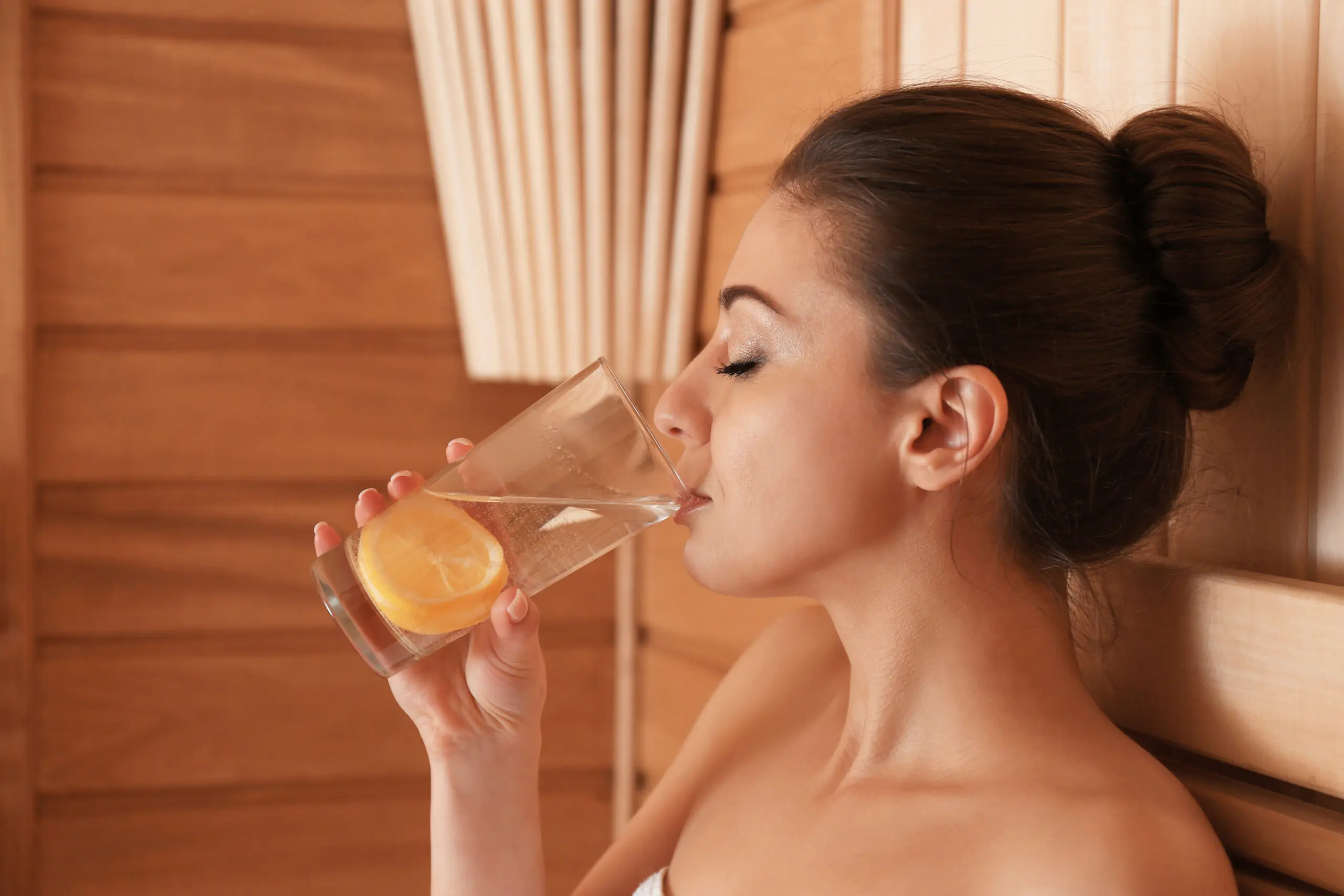
Hydration deserves its own section because most people underestimate how much they’re losing during a sauna session.
When you sweat, you’re not just losing water – you’re losing electrolytes. These are essential minerals like sodium, potassium, magnesium, and calcium that your body needs to function correctly. They regulate muscle contractions, nerve signalling, fluid balance, and heart rhythm. Lose too many without replacing them, and you’ll feel it: muscle cramps, fatigue, dizziness, headaches, and that general “off” feeling that makes you want to lie down.
A single 20-minute sauna session can produce anywhere from 500ml to over a litre of sweat, depending on the temperature and your body. Do multiple rounds with cold plunges in between, and you’re looking at significant fluid and mineral loss. Plain water helps with rehydration, but it doesn’t replace the electrolytes.
I highly recommend getting yourself some sugar and preservative-free electrolytes. I use Peak Sups Electrolyte Powder Blend 500g – Calcium, Magnesium, Potassium & Sodium. It’s unflavoured, mixes easily with water, and doesn’t contain artificial sweeteners or colours like most sports drinks.
I mix a scoop into water and drink it between sauna rounds, then again afterwards. The difference is noticeable – better energy, no post-session fatigue, and none of the muscle cramping that can happen when you’re depleted. If you’re doing contrast therapy regularly, proper electrolyte replacement isn’t optional. It’s part of doing this safely and getting the full benefit.
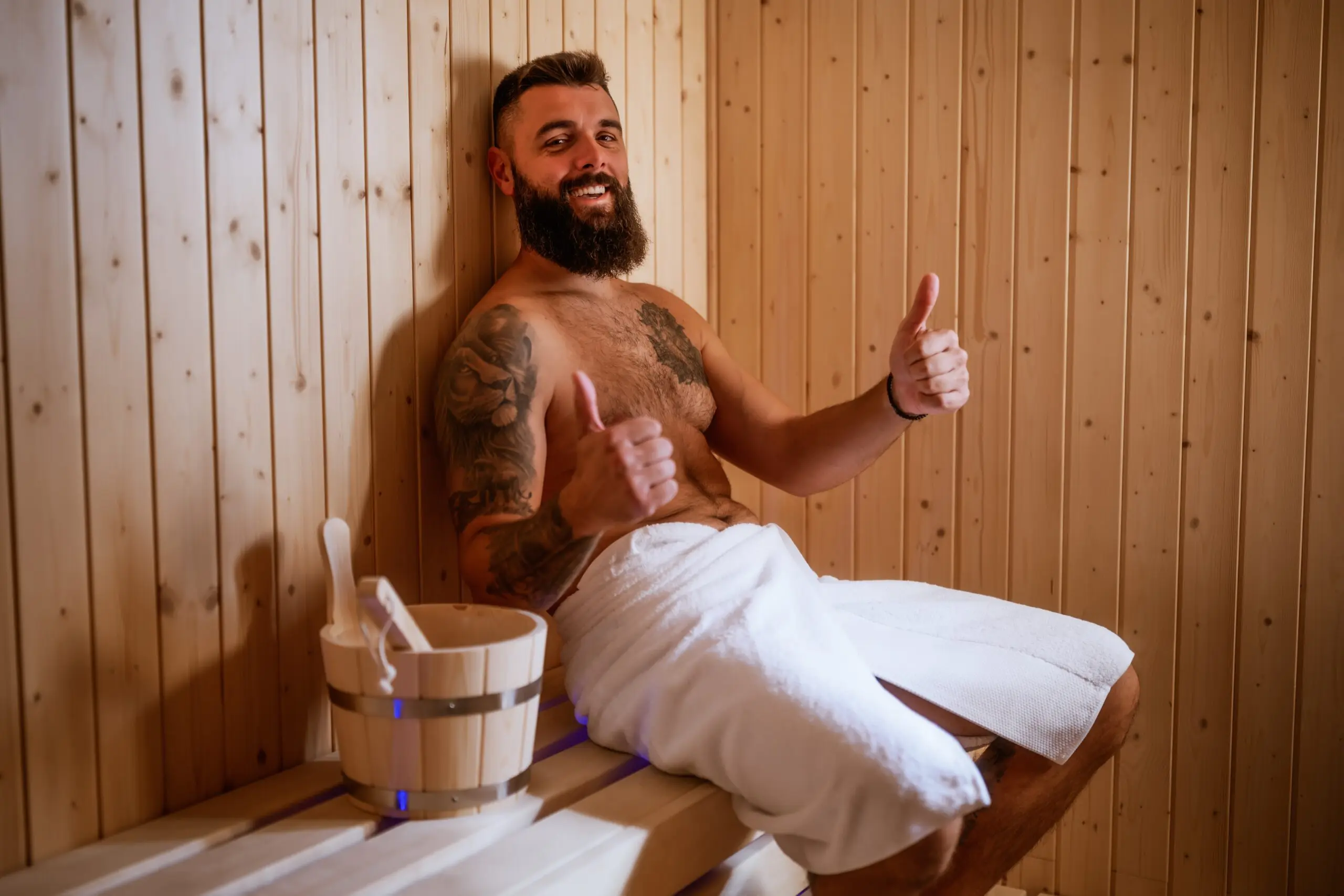
How Do Beginners Start Sauna and Ice Bath Contrast Therapy?
If you’ve never done contrast therapy before, don’t start with extreme temperatures or long durations. Your body needs time to adapt.
Week 1-2: Gentle Introduction
Sauna: 10-12 minutes at moderate temperature (70-80°C / 158-176°F). This is warm enough to sweat, but not so hot as to be intense.
Transition: Exit the sauna and sit for 2-3 minutes. Let your heart rate come down slightly. Drink some water.
Cold: Start with a cool shower, not an ice bath. Temperature around 15-18°C (59-64°F) for 30-60 seconds. Focus on controlled breathing.
Warm up: Use a warm (not hot) towel or blanket. Let your body return to normal temperature.
Do this 1-2 times per session, 2-3 times per week.
Week 3-4: Building Tolerance
Sauna: 12-15 minutes at 80-85°C (176-185°F).
Transition: 1-2 minutes rest, hydrate.
Cold: Move to cooler water – 10-15°C (50-59°F) – for 1-2 minutes. If using an ice bath, this is roughly what you’d get with a 3:1 water-to-ice ratio.
Repeat: 2-3 rounds per session.
Week 5+: Full Practice
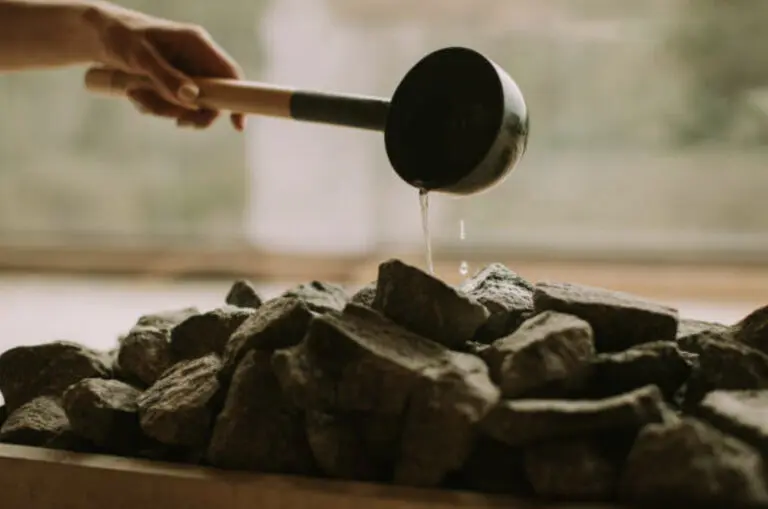
Sauna: 15-20 minutes at 85-100°C (185-212°F). You can add löyly (water on the stones) for humidity bursts.
Transition: Brief – just long enough to walk to the cold plunge.
Cold: 2-5 minutes at 5-10°C (41-50°F). This is genuinely cold. Focus on slow, controlled exhales.
Rounds: 3-4 cycles.
End warm: Always finish with a period of warming – either a final short sauna session or warm rest.
How Should I Breathe During Cold Water Immersion?
Your breath is your primary tool for managing the cold-shock response. When you first enter cold water, your body wants to gasp and hyperventilate. This is the “cold shock response” – it’s involuntary, and it’s what makes cold water dangerous for unprepared people.
The technique:
Before entering the cold, take several slow, deep breaths.
As you enter, exhale slowly and steadily. Long exhales activate your parasympathetic nervous system and help override the panic response.
Once submerged, continue slow, controlled breathing. In through the nose, out through the mouth. Count your breaths if it helps – it gives your mind something to focus on other than the cold.
If you start hyperventilating or can’t control your breath, get out. This isn’t a test of toughness – it’s a sign your body isn’t ready for that intensity yet.
The breath control you develop through cold exposure is genuinely helpful in other areas of life. It’s stress inoculation training. You learn to stay calm and in control when your body is screaming for you to panic.
What Temperatures Should I Use for Sauna and Ice Bath?
For the sauna:
- Beginner: 70-80°C (158-176°F)
- Intermediate: 80-90°C (176-194°F)
- Experienced: 90-100°C (194-212°F)
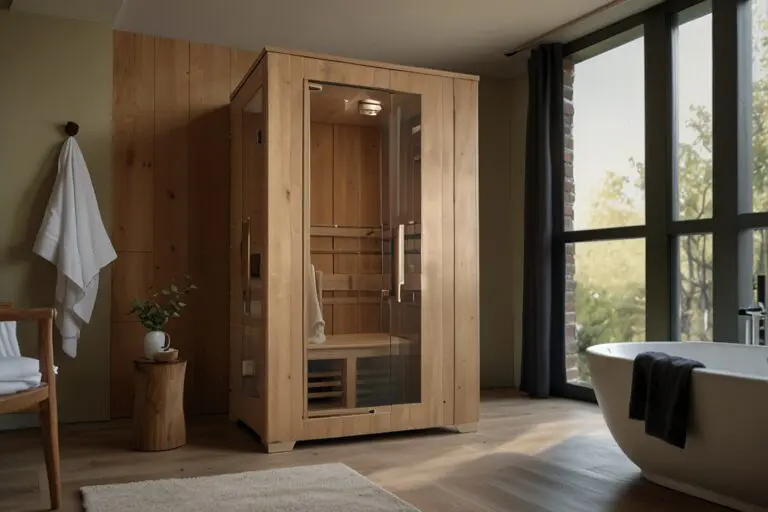
Traditional Finnish saunas are often on the higher end. Infrared saunas operate at lower temperatures (45-60°C / 113-140°F) and don’t provide the same contrast experience – the heat just isn’t intense enough.
For the cold plunge:
- Beginner: 15-18°C (59-64°F) – cool but manageable
- Intermediate: 10-15°C (50-59°F) – properly cold
- Experienced: 5-10°C (41-50°F) – challenging
- Advanced: Below 5°C (41°F) – not necessary for benefits, but some people work up to this.
The research suggests you don’t need extreme cold to get benefits. Water at 10-15°C for 2-5 minutes is enough to trigger the beneficial physiological responses. Going colder mainly tests your mental fortitude, which has its own value, but isn’t required for the physical benefits.
A 2016 meta-analysis in Sports Medicine found that water temperatures between 11-15°C for 11-15 minutes produced the best results for muscle recovery – colder water (5-10°C) actually showed less benefit.
What Are the Most Common Contrast Therapy Mistakes?
Skipping the transition. Going straight from a 95°C sauna into 5°C water puts enormous stress on your cardiovascular system. Even a 30-second pause to let your heart rate return to normal can significantly reduce the shock.
Staying too long in the cold. More isn’t better. After about 5 minutes at proper cold temperatures, you’ve triggered the beneficial responses. Staying longer increases hypothermia risk without additional benefit. The hormonal response happens in the first few minutes.
Competing with yourself or others. This isn’t a contest. The person who “wins” at contrast therapy is the one who does it consistently for years, not the one who suffers the most in a single session. Ego has no place here.
Inconsistency. The benefits compound over time with regular practice. Two sessions per week for six months will do more for you than six sessions in one week followed by nothing. Build it into your routine.
Ignoring warning signs. Dizziness, confusion, chest pain, extreme shivering, blue lips – these are all signals to stop immediately. Cold water, especially, can be dangerous. Respect your limits.
How Often Should I Do Sauna and Ice Bath Sessions?
For general wellness, 2-3 sessions per week is plenty. This gives your body time to recover and adapt between sessions.
For athletes: Some do contrast therapy daily, especially during heavy training blocks. The recovery benefits are significant.
For mental health: Even 1-2 sessions per week can have noticeable effects on mood and stress resilience.
The Finns, who have the most experience with this practice, typically sauna several times per week. Many have access to saunas at home, at gyms, and even in workplaces. The frequency that works for you depends on your goals, your schedule, and how your body responds.
How Do I Set Up Contrast Therapy at Home?
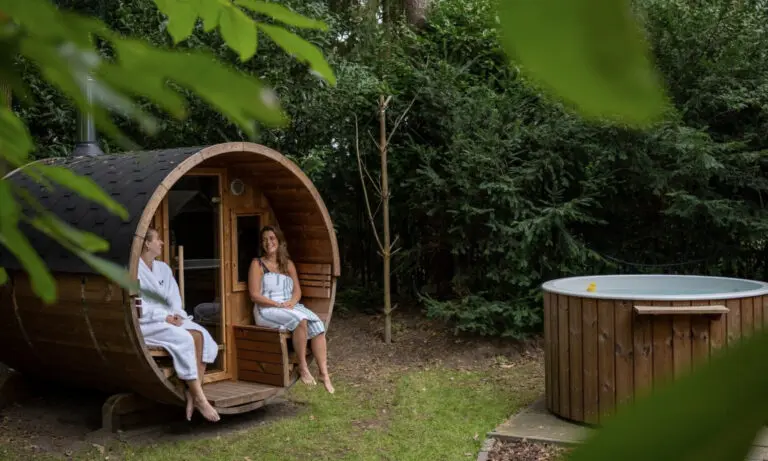
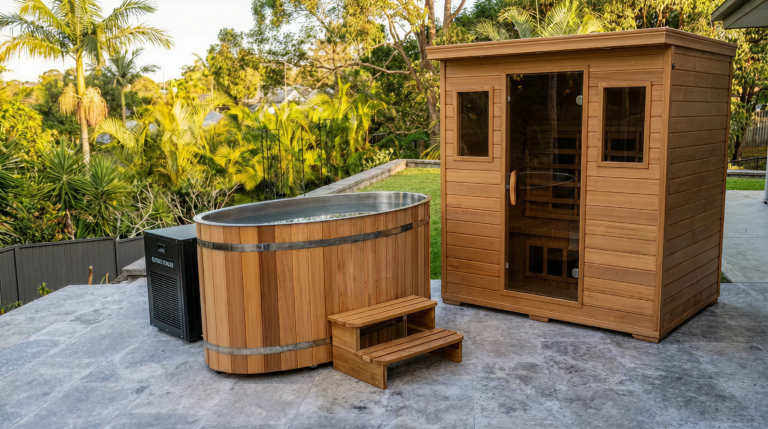
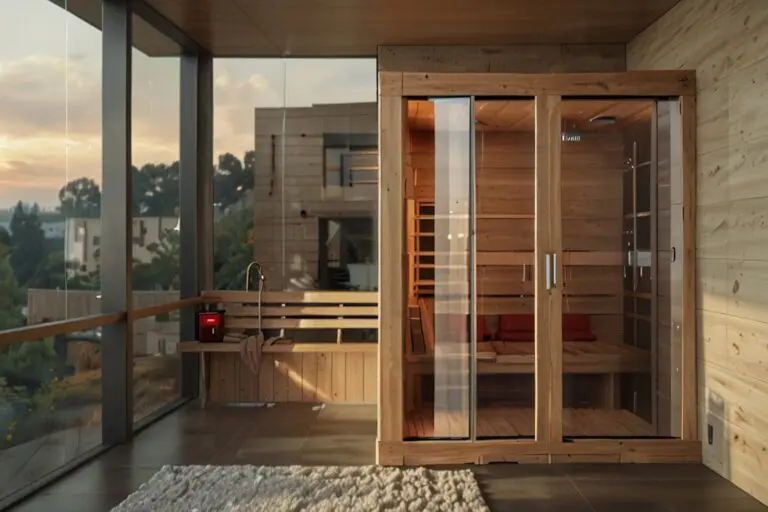
The ideal home setup is a sauna with a cold plunge nearby. Walk out of the sauna, take a few steps, and get into cold water. The logistics matter – if you have to walk across your property or wait for an ice bath to be ready, you lose momentum.
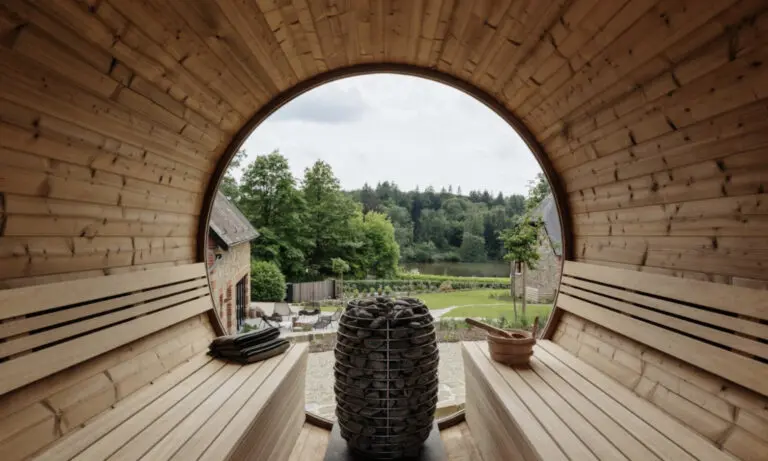
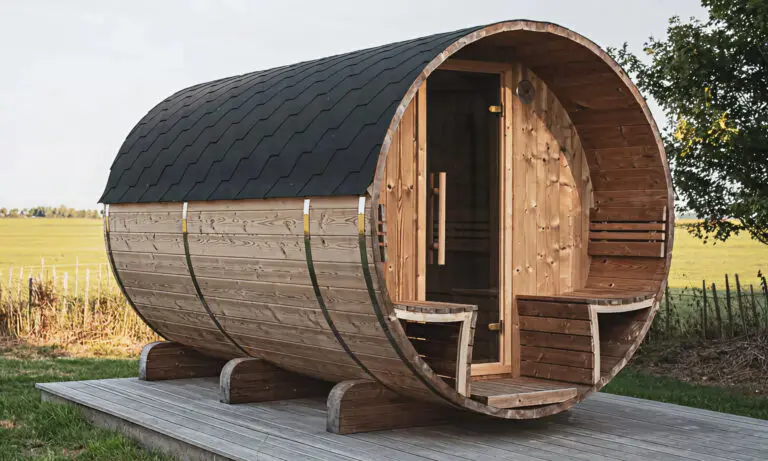
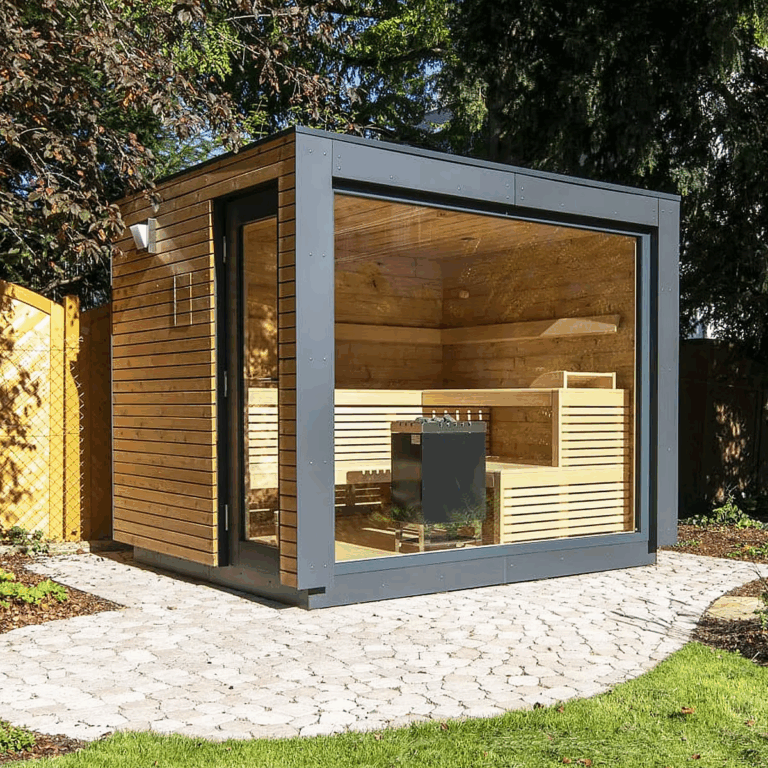
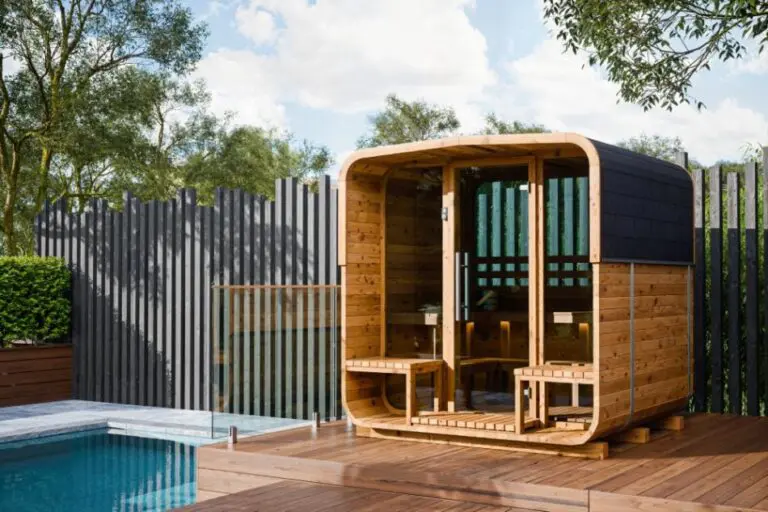
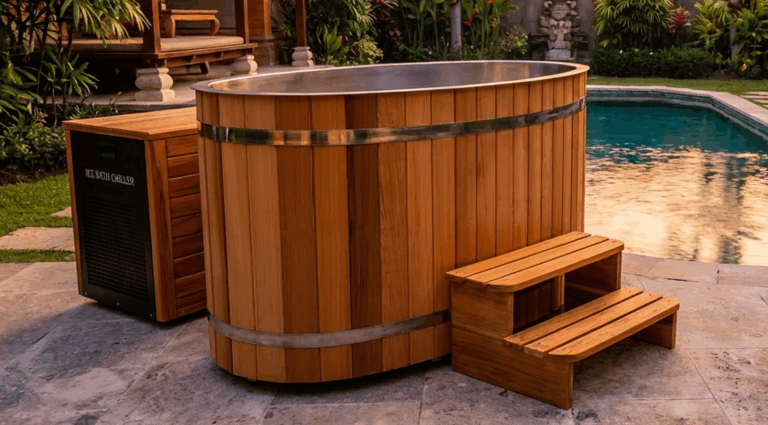
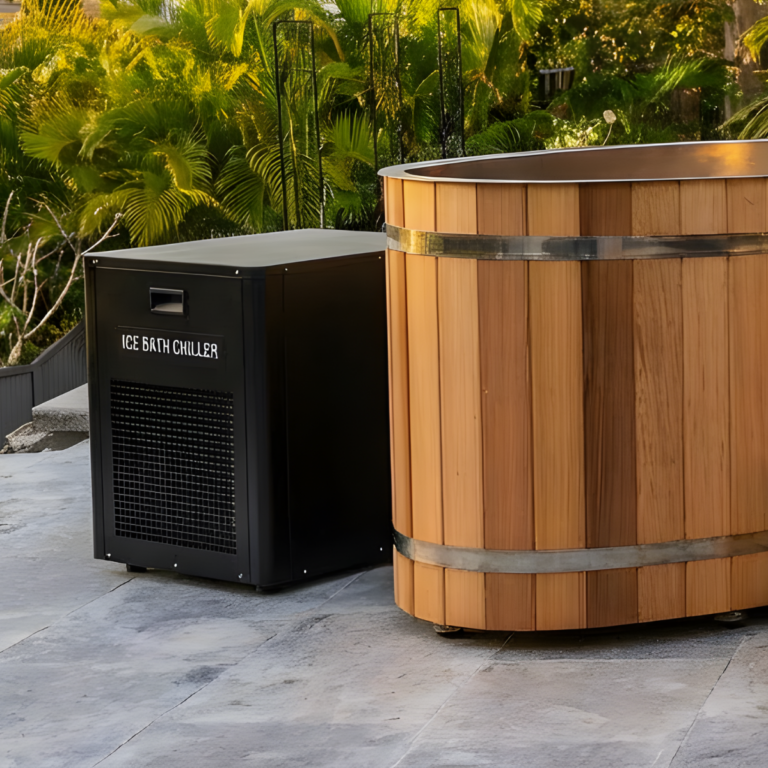
We sell both saunas and ice baths that work well together. Our ice baths maintain a consistent temperature, so you don’t have to mess with ice every time. For the sauna, any of our traditional Finnish models work – barrel saunas, cabin saunas, or custom-built rooms.
If you don’t have an ice bath, a cold shower is a good starting point. It’s not as effective – you can’t fully immerse, and the cold isn’t as consistent – but it’s better than nothing. Some people use large stock tanks or converted chest freezers with temperature controllers. These work but require more maintenance.
The key is reducing friction. The easier it is to do your contrast routine, the more likely you are to do it consistently.
What Results Can I Expect From Regular Contrast Therapy?
First few sessions: Uncomfortable. The cold will feel shocking. The sauna will feel too hot. Your breathing will be all over the place. This is normal.
After a few weeks, your body adapts. The cold becomes manageable faster. You start to notice the mood lift afterwards – the clarity and calm that follows a good contrast session.
After a few months, it becomes something you look forward to rather than endure. You sleep better. Recovery from exercise improves. Stress feels more manageable. The practice starts to feel essential rather than optional.
After a year or more: This is where the long-term benefits show up. Cardiovascular health markers improve. Immune function strengthens. Mental resilience deepens. The Finnish research on sauna longevity tracks people over 20+ years – the benefits compound.
Is Contrast Therapy Worth It?
Contrast therapy isn’t complicated, but it does require respect. Heat and cold are powerful stressors. Used intelligently, they train your body and mind to better handle stress. Used carelessly, they can cause real harm.
Start conservatively. Build gradually. Listen to your body. Be consistent.
The combination of sauna and ice bath has become one of the most valuable parts of my daily routine. The 30-40 minutes I spend on this practice pays dividends in energy, mood, recovery, and resilience that last the entire day. If you’re considering adding this to your life, it’s worth the investment – in equipment, in time, and in learning to do it properly.
If you have questions about setting up a home sauna and ice bath combination, get in touch. We can help you figure out what works for your space and goals.