
Why Did I Move Sauna From Morning to Evening?
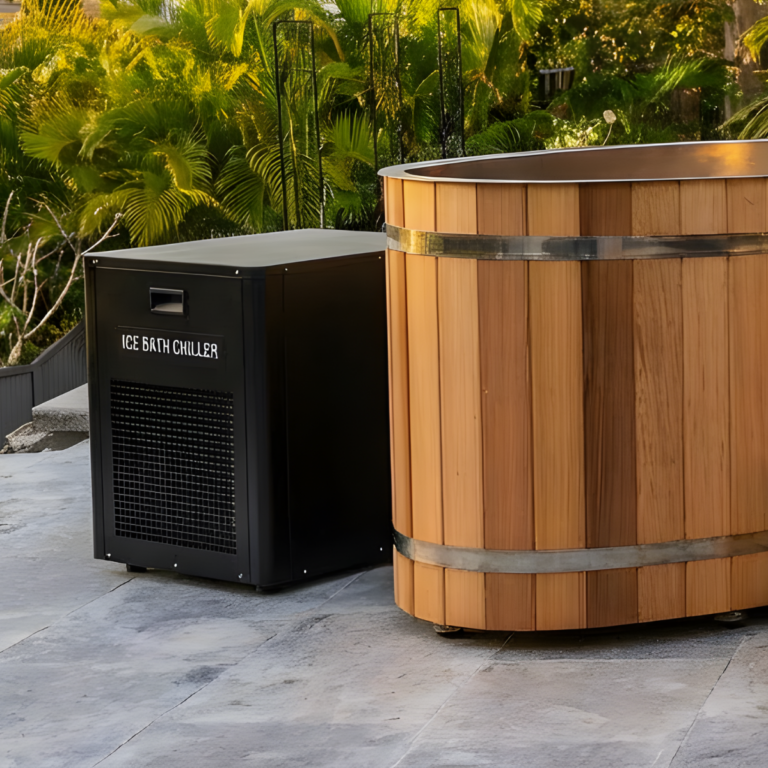
For the first two years, I did sauna and ice bath in the morning. Wake up, heat up, cool down, start the day feeling invincible.
It worked. I’m not going to pretend it didn’t. That post-sauna clarity is real, and starting your morning with a cold plunge is a hell of a way to wake up. No coffee required – your nervous system handles the alertness for you.
But I started noticing something. By late afternoon, that morning buzz had faded. I’d hit a wall around 4 pm, and my evenings felt restless. I was wired but tired, if that makes sense. The kind of energy that doesn’t translate into sound sleep.
So I experimented. What if I split things up? Workout and ice bath in the morning for energy. Sauna at night for recovery and sleep.
The difference was immediate. And now, six months into this new sequence, I’m not going back.
What Does a Daily Sauna and Ice Bath Routine Look Like?
Here’s what a typical day looks like now:
6:00 am – Wake up
Electrolytes first thing. Not coffee – electrolytes. Your body has been fasting and dehydrating for eight hours. Give it what it actually needs before you give it what it wants.
I use Salz Hydration [Buy Salz electrolytes at lazada.co.th/salz] – a sugar-free electrolyte powder explicitly developed for Thailand’s climate. It’s got 1000mg of sodium per serving, plus potassium and magnesium citrate for proper absorption. No sweeteners, no colours, no flavours – just the minerals your body actually needs. The founder developed it after moving to Thailand and realising that most electrolyte products here are either loaded with sugar or lack enough sodium for intense activity in this heat. It’s locally available on Lazada, so you get quick delivery and no import hassles.
Then an ice-long black (Americano).
6:15 am – Workout
I’ve got a basic home gym setup—nothing fancy – barbell, dumbbells, pull-up bar, bench. The workout varies by day, but I’m there for about 45 minutes, working hard enough to sweat and build muscle.
Here’s what matters: I’m doing this fasted, caffeinated, and before my brain has fully woken up and started inventing reasons to skip it. By the time I’m capable of complex thought, I’ve already lifted heavy things.
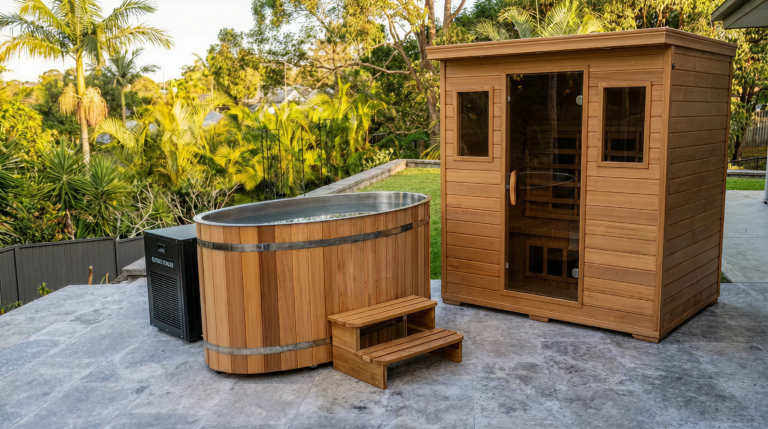
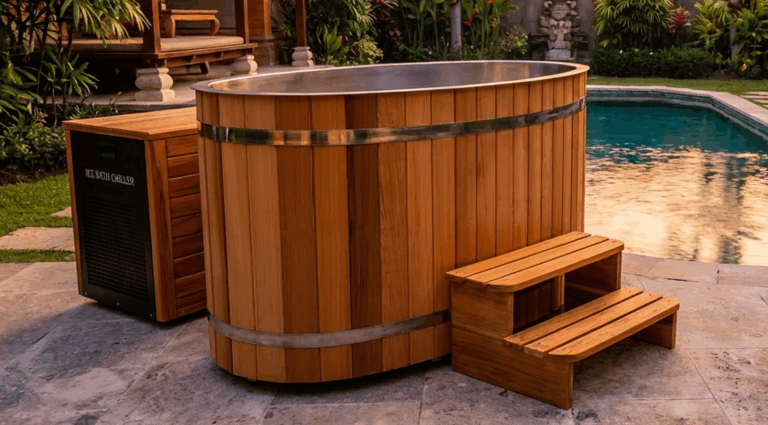
7:00 am – Ice bath
Straight from the workout into cold water. This is deliberate.
After exercise, your body is inflamed – in a good way. Inflammation is part of the adaptation process, the signal that tells your muscles to repair and grow stronger. But it also means your body is running hot, your heart rate is elevated, and your nervous system is in sympathetic (fight-or-flight) mode.
Cold water immersion does a few things here. It quickly quells inflammation, which can speed recovery. It triggers a massive norepinephrine release – that’s the hormone responsible for alertness, focus, and mood. And it forces your body to shift from sympathetic to parasympathetic mode, essentially telling your nervous system that the threat is over, time to calm down.
The result? I get out of that ice bath feeling like I’ve had three coffees, but calm. Alert without being jittery. Ready to work.
I stay in for about 3-5 minutes at around 8-10°C. Cold enough to trigger the response, not so cold that I’m being stupid about it.
7:15 am – Shower and shave
Quick, cold shower after the plunge. Some people say this negates the benefits – I don’t buy it. The hormonal response has already happened. The shower is so that I don’t show up to my desk looking like a drowned rat.
7:30 am – Work block one
Electrolytes again, then straight into work. This is my most productive time – the combination of exercise, cold exposure, and caffeine has my brain firing properly.
I use this window for the critical stuff: answering enquiries, following up leads, sending outreach emails, and updating order tracking. The tasks that actually move the business forward, not just the ones that feel like work.
11:00 am – Eat
First proper meal of the day. High protein, moderate carbs. Another coffee if I feel like it – more for the taste sensation than the kick.
I don’t do breakfast. Never have, even before I knew intermittent fasting was a thing. If you need breakfast, eat it. I’m just telling you what works for me.
11:30 am – Work block two
Enquiries as they come in, fulfilling quotes and orders, updating the website and promotions.
1:00 pm – Movement break
Stretch for 20 minutes. More electrolytes. High-protein snack – usually Greek yoghurt, nuts, or leftover chicken from last night.
This break matters more than I initially gave it credit for. Six hours of sitting, even if you worked out in the morning, isn’t great. The stretch resets things.
1:30 pm – Work block three
More of the same: enquiries, quotes, orders, website work. Or, if there are errands to run or customers to meet, I’ll head out. Some of my best conversations with customers happen in person – there’s only so much you can communicate over email and phone calls.
5:00 pm – Flexible block
This is where the day can go a few different directions. Sometimes I keep working if there’s momentum. Sometimes I build something – I’ve been getting into woodworking lately, which is ironic given that I sell wooden saunas. Sometimes I work on my bonsai collection, which has become a genuine obsession. Sometimes I clean and organise my office or gym – there’s something satisfying about maintaining your space.
The point is that this block isn’t rigidly scheduled. After eight hours of structured work, I need something that doesn’t feel like a task.
6:00 pm – Eat
Second proper meal. Again, high protein, real food. Electrolytes – yes, again. When you’re working out, using a sauna, and living in Thailand’s heat, you need more than you think.
6:30 pm – Evening block
Quality time with my girlfriend. Or I’ll continue working on whatever project has my attention – woodworking, website improvements, business planning. Or I’ll spend time with the bonsais, which is surprisingly meditative. Or I’ll get the space sorted for the next day.
I always plan the next day during this block. Nothing elaborate – just a quick list of priorities so I wake up knowing exactly what needs to happen. It takes five minutes and saves an hour of morning uncertainty.
The key here is presence. Whatever I’m doing, I’m actually doing it – not half-working while pretending to relax. That’s a recipe for doing both badly.
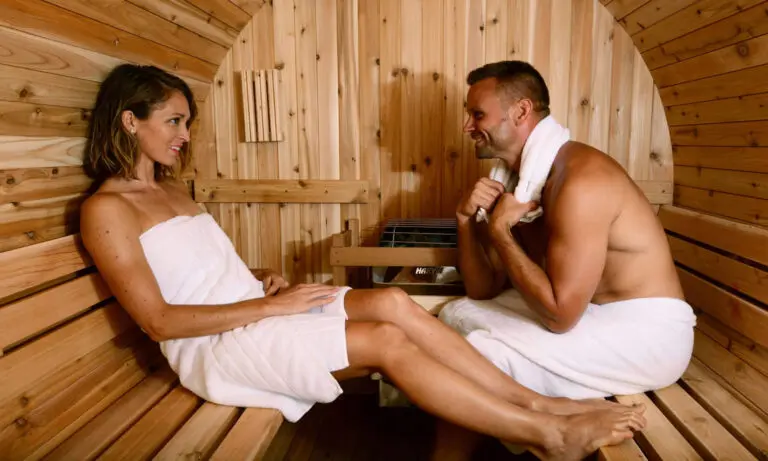
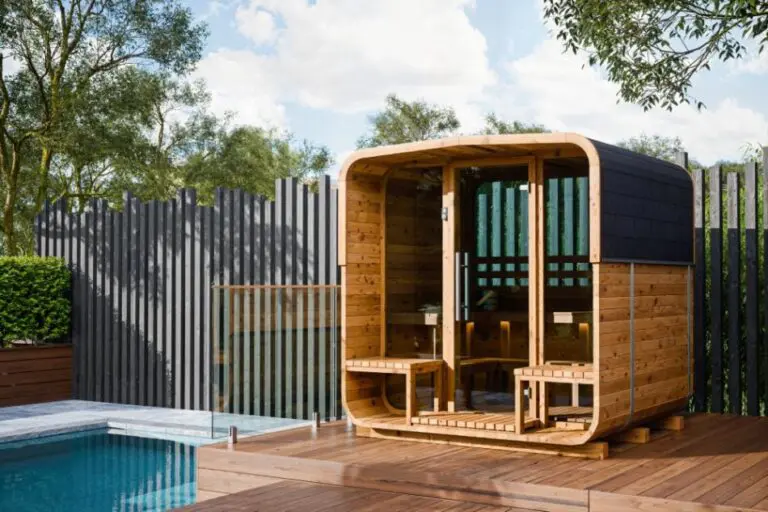
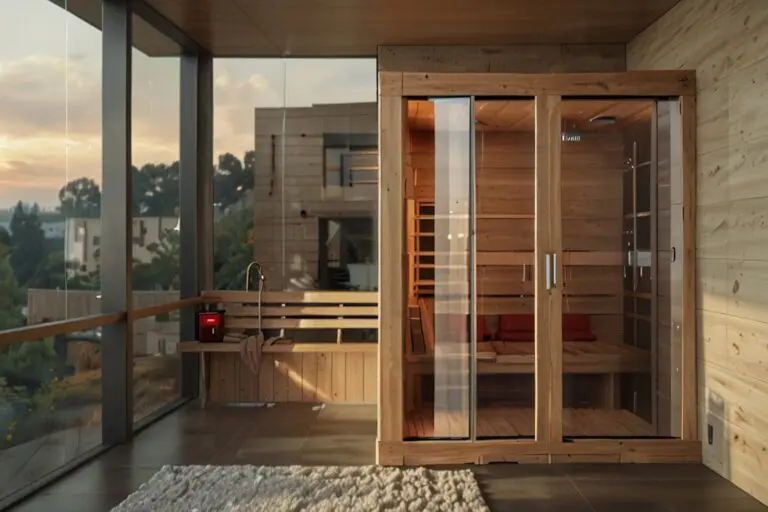
8:30 pm – Sauna
And here’s the magic.
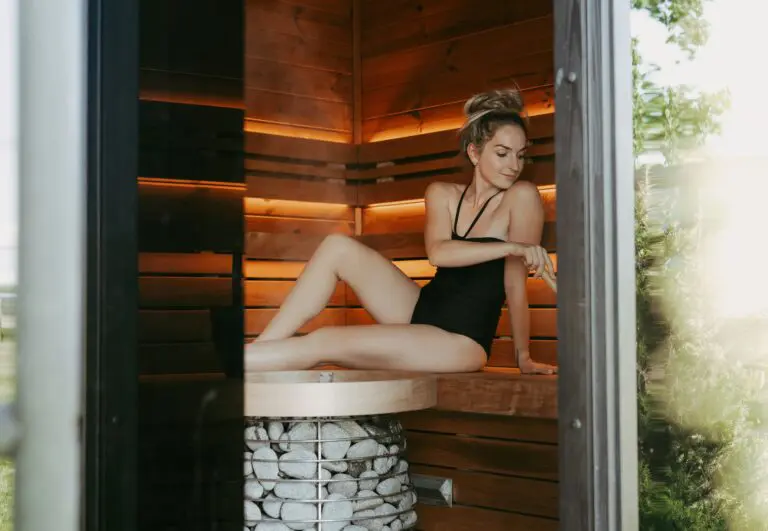
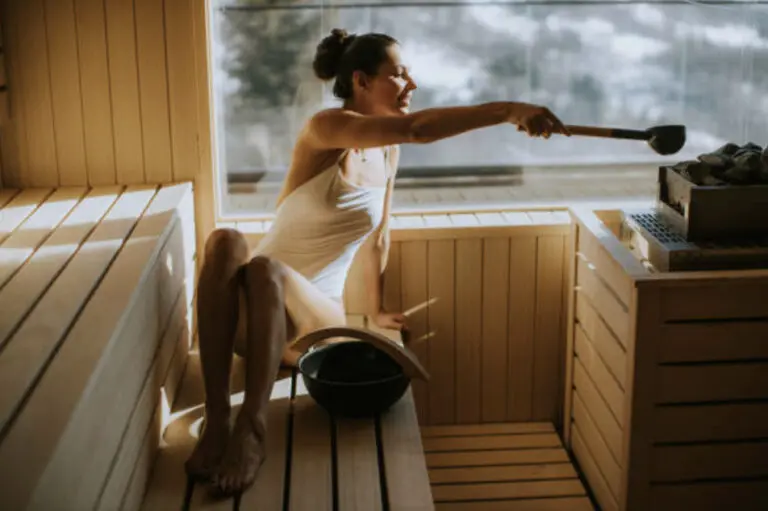
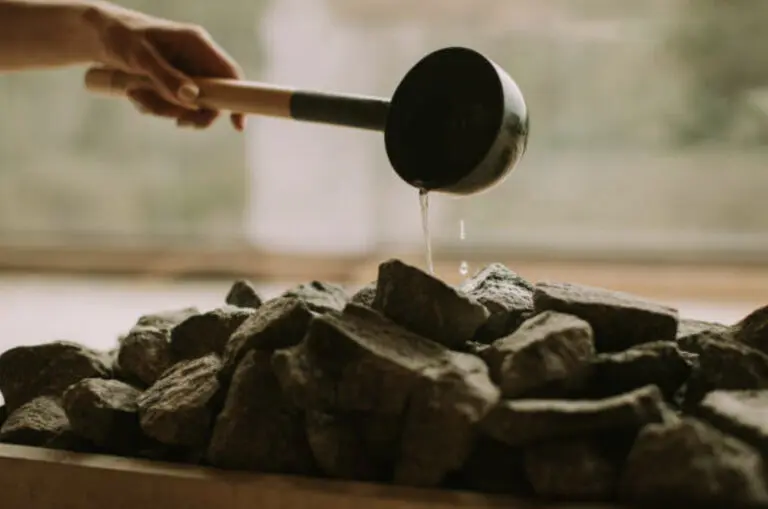
Twenty minutes in the sauna at 85-95°C. Sometimes longer if I’m feeling it. Water on the rocks for steam. Maybe some music, perhaps silence.
After a full day of work, after all the cortisol and mental load and screen time, the sauna is a reset button. Your body temperature rises, your blood vessels dilate, and your heart rate increases to 100-120 beats per minute. It’s like a passive cardio session that requires no thought.
But the real benefit lies in what comes after.
When you step out of the sauna, your body begins cooling down, and your core temperature drops. This drop in temperature is one of the strongest signals for melatonin production – the hormone that makes you sleepy. Your body essentially interprets the cooling as “nighttime, time to rest.”
Combined with the deep relaxation from the heat, this is why the evening sauna transforms sleep. I fall asleep faster, sleep more deeply, and wake up feeling actually rested. Not groggy. Not hitting snooze six times. Actually rested.
9:00 pm – Shower
Warm shower to rinse off the sweat. Nothing fancy. Sometimes I’ll end with 30 seconds of cool water to close the pores, but honestly, by this point, I’m already ready for a deep sleep.
10:00 pm – Sleep
Lights out. No phone. No “just one more episode.” The evening sauna has done its job – my body knows it’s time to shut down.
I sleep until I’m rested. Sometimes that’s seven hours, sometimes it’s five or six. I don’t believe in forcing yourself to stay in bed for a prescribed number of hours. When you wake up naturally and feel ready to go, that’s it – time to rock and roll.
Weekends
Saturday is a typical workday until evening, then I meet up with friends.
Sunday is a day off – lazy morning, maybe an adventure, maybe shopping, perhaps all three. The routine isn’t a prison. It’s a structure that makes the rest of life better.
Why Does Morning Ice Bath and Evening Sauna Work Better?
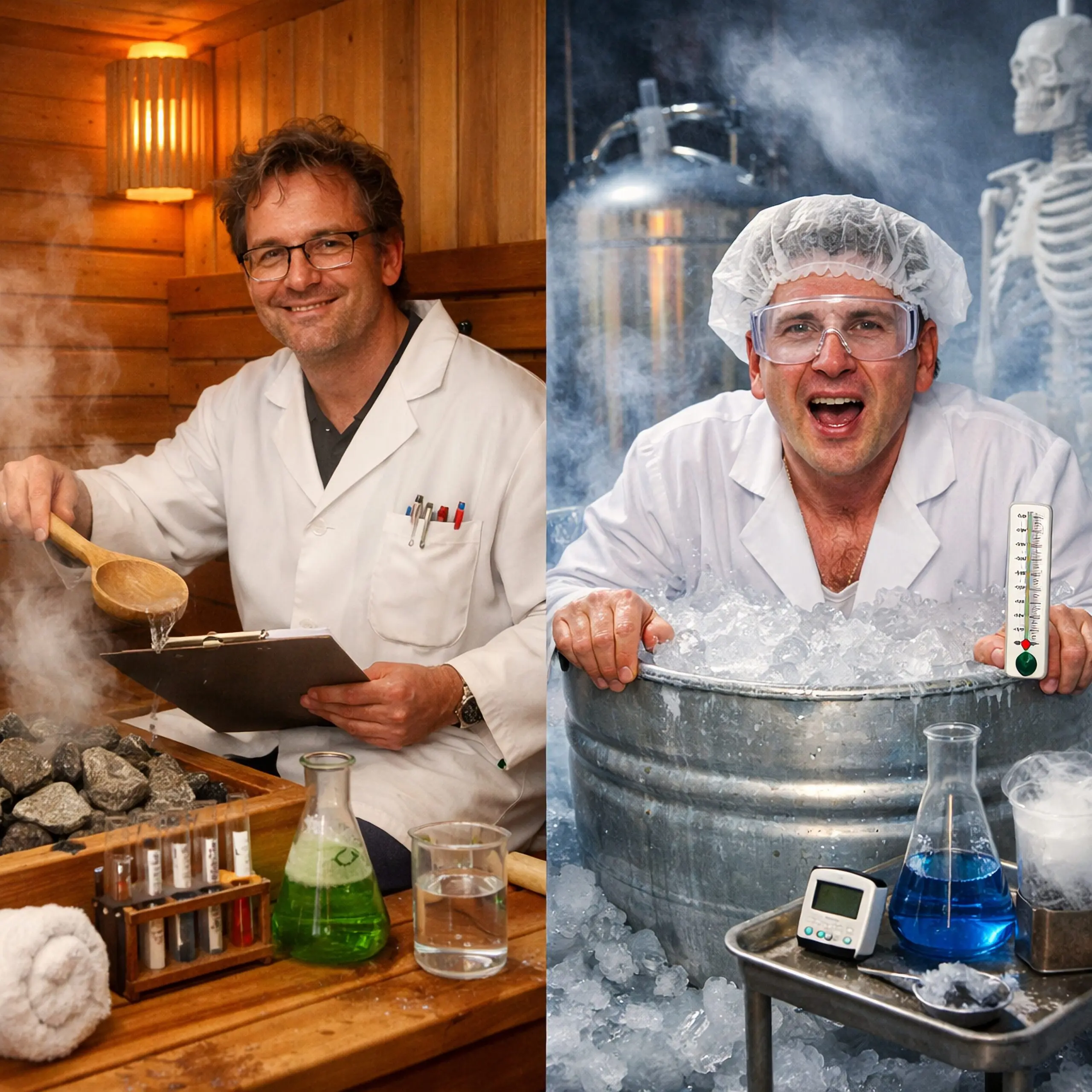
The order of operations here isn’t random. There’s actual physiology behind it.
Morning workout + cold exposure:
Exercise in the morning takes advantage of naturally elevated cortisol levels – cortisol isn’t just a stress hormone, it’s also an energy mobiliser. You have more of it in the morning, so you might as well use it.
Cold exposure after exercise amplifies the norepinephrine response. A 2000 study found that cold-water immersion increased norepinephrine by 530%, the hormone associated with alertness and focus. By exposing yourself to cold after the workout, you’re stacking the energy benefits.
Evening sauna:
An evening sauna harnesses the body’s natural circadian rhythm. Core body temperature naturally drops in the evening as part of the sleep-wake cycle. Sauna artificially raises that temperature, and when you step out, the subsequent drop is steeper and faster than usual – sending a powerful signal to your brain that it’s time to sleep.
A 2019 study published in Sleep Medicine Reviews found that passive body heating 1-2 hours before bed significantly improved sleep quality and reduced sleep onset latency – meaning you fall asleep faster. The researchers found that the optimal timing was about 90 minutes before bed, which lines up perfectly with an 8:30 pm sauna session and a 10 pm bedtime.
[Source: Haghayegh S, et al. “Before-bedtime passive body heating by warm shower or bath to improve sleep: A systematic review and meta-analysis.” Sleep Medicine Reviews, 2019. https://doi.org/10.1016/j.smrv.2019.04.008]
By splitting the routine – stimulating practices in the morning, relaxing practices in the evening – you’re working with your body’s natural rhythms instead of against them.
Do You Need Electrolytes When Using a Sauna?
I mention electrolytes four times in this routine. That’s not an accident.
When you’re working out, doing sauna, and living in Thailand, you’re losing significant minerals through sweat – sodium, potassium, magnesium. These aren’t optional extras. They regulate muscle function, nerve signalling, hydration, and heart rhythm. Run low, and you’ll feel it: fatigue, brain fog, cramps, headaches.
Most drinking water in Thailand goes through reverse osmosis, which strips out minerals. Combined with the heat and humidity, causing constant sweating, it’s a recipe for chronic low-grade depletion. You can drink litres of water and still feel off because you’re missing the electrolytes.
I used to think sports drinks handled this. They don’t – most are full of sugar and don’t have enough sodium for serious activity in this climate. Finding a clean, properly dosed electrolyte powder made a noticeable difference in my energy and recovery. It’s one of those simple changes that punches well above its weight.
What Are the Long-Term Benefits of Daily Sauna Use?
I’m 50 years old. Three years ago, I was falling apart. Today, I’m in the best shape of my life, running a business I genuinely believe in, and waking up each day with energy instead of dread.
The routine isn’t the whole story – the sauna and ice bath aren’t magic pills. But they’re the foundation that makes everything else possible. When you sleep properly, you make better decisions. When you exercise consistently, you have more energy. When you have more energy, you do better work. When you do better work, you feel a sense of accomplishment. When you feel accomplished, you’re happier.
It compounds.
My 2026 resolution isn’t really about fitness or business success. It’s about maintaining the system that produces both. The routine is the resolution.
If you’re reading this and thinking about starting your own version – whether that’s a morning cold plunge, an evening sauna, or just moving your body more consistently – the only advice I have is this: start somewhere. Experiment. Pay attention to what works for you.
I’ve been refining this routine for three years, and I’ll probably still be tweaking it three years from now. That’s the point. It’s not about finding the perfect routine. It’s about finding a routine that makes your life better, and then making it better still.
I’d love to hear what you’re doing. Seriously – if you’ve got your own routine dialled in, or you’re just starting to figure this stuff out, drop me a line. I’m always interested in what’s working for others, and I’m happy to chat about it. That’s not a sales pitch – it’s just how I’m wired. Talking to people about this stuff is one of my favourite parts of running Sisu.
Here’s to 2026!